We learned how to be real nature detectives by using clues to identify animals around us–even if we cannot see them during class. They leave behind tracks, scat (poop!), feathers and fur, and even pieces of food.
Trees have the most growth in spring and early summer, which forms a light-colored ring. As growth slows in late summer and fall, a thinner, dark ring is produced. We can identify these varying years of growth by looking at cross sections of trees. Starting from either the center circle to the bark, or vice versa, we count either the light or dark rings.
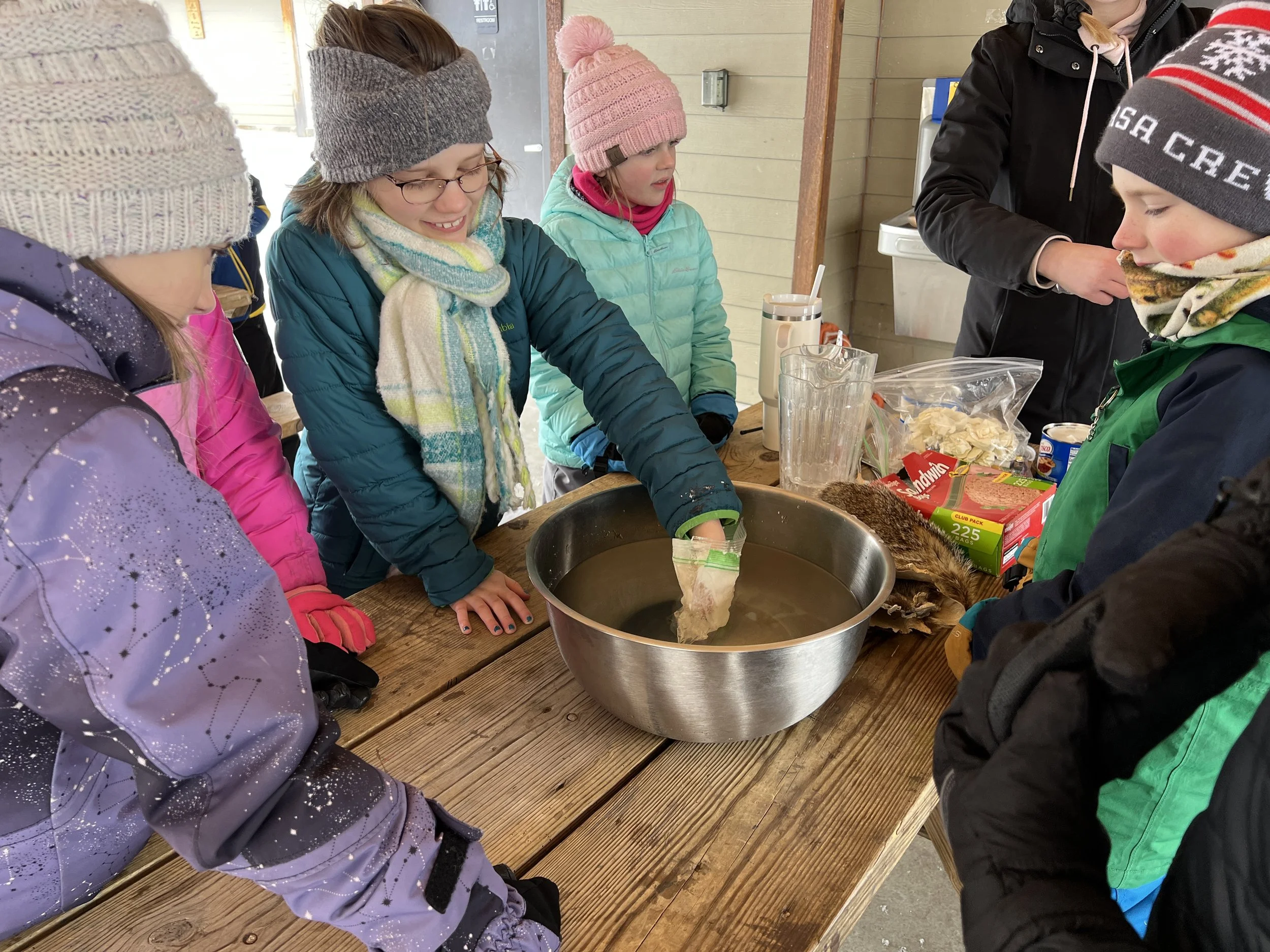
To see how [blubber] works, we tried a little experiment. We put vegetable shortening between two plastic baggies and put our hand inside like a glove. Then, we stuck that hand in a bowl of freezing cold water, but it did not feel cold! The vegetable shortening acted like a layer of fat, insulating our hand.
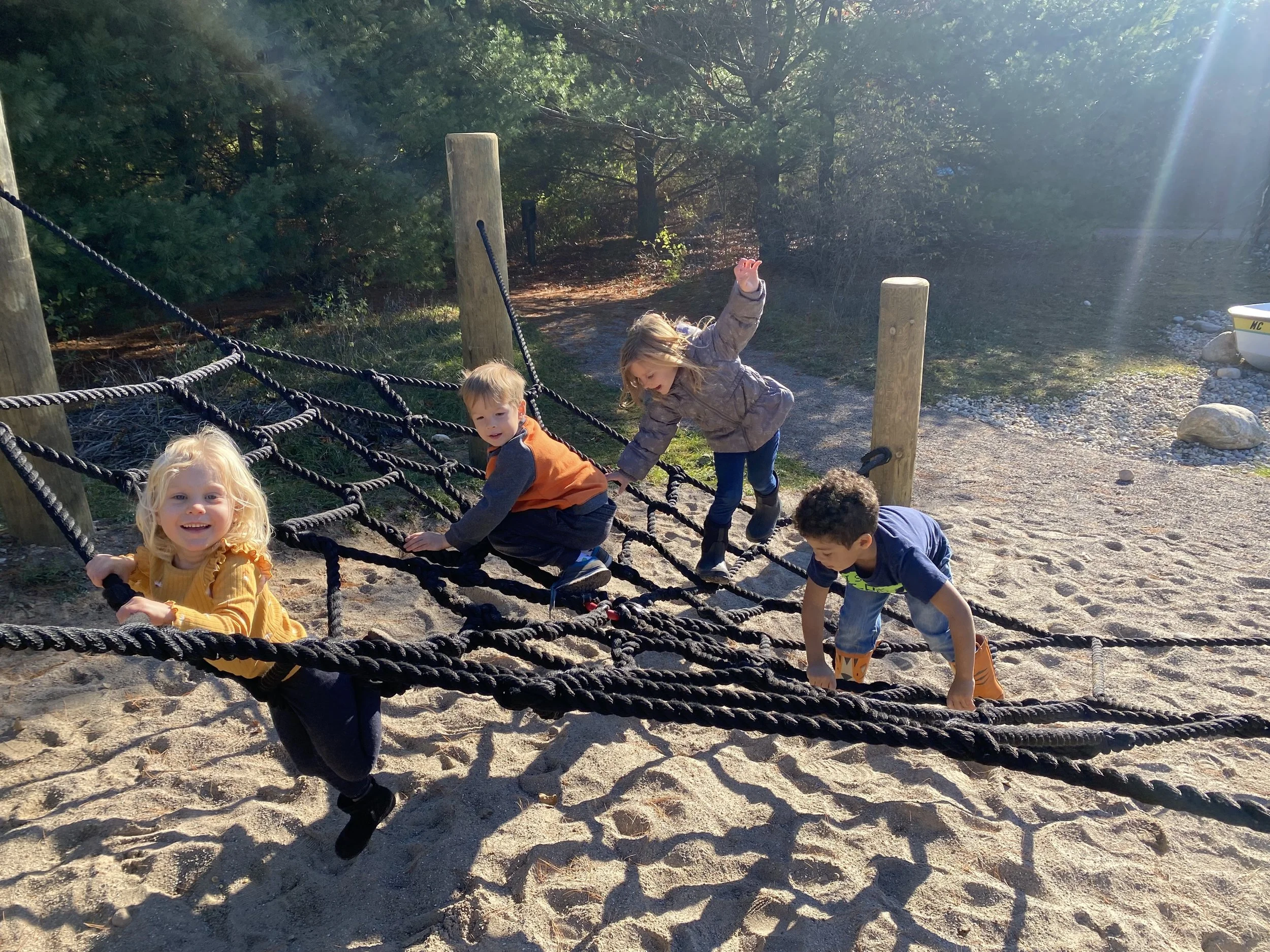
We enjoyed one final adventure together this fall…or should I say winter? Everyone was so excited to play in the snow today! We began the afternoon with snowball fights and snowmen building. We formed groups and challenged each other to roll the biggest snowball. If it had not been snowing the entire time, we probably would have run out of snow.
We started the morning by touring the Nature Center and learning about different birds. We noticed that the snowy owl has big, yellow eyes and the loon has small, red eyes. Their eyes are different because they search for different types of food! Owls hunt at night, often looking for mice in fields, but loons dive underwater looking for fish. The red of the loons' eyes help them see underwater.
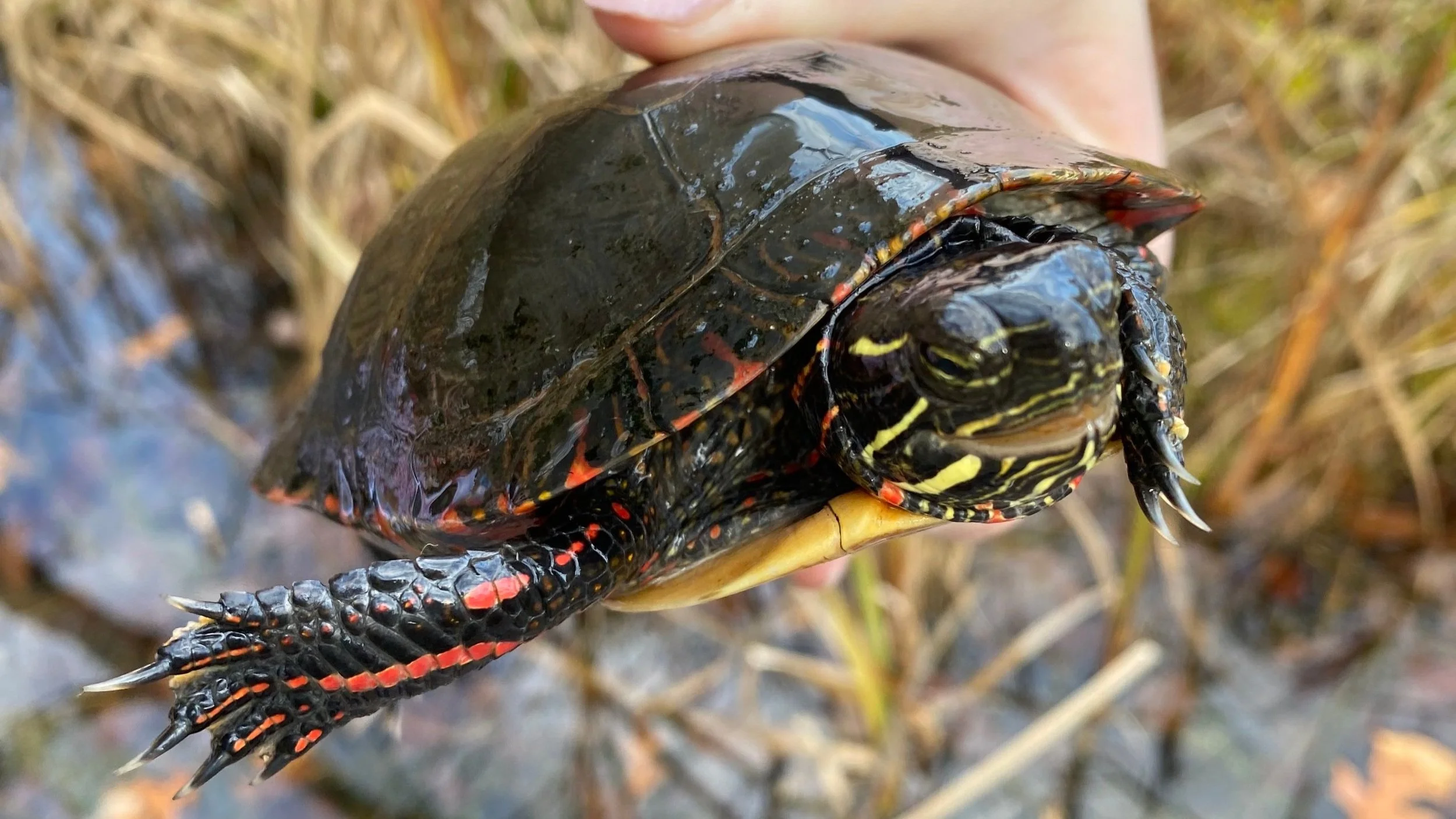
We noted that the weather is starting to get colder, night comes earlier, and soon it will be snowing! This means that some of our animals need to leave, or migrate, from the area or go into a deep sleep-like state, called hibernation. From the story we listened to, we learned that it is not just bears that hibernate, but snakes, chipmunks, bats, and even frogs and turtles. So, we decided to check on our frog and turtle friends that we saw at the Frog Boardwalk last week.
To start our afternoon, Ms. Paige asked the question, “What does it mean to be a predator and prey?” We talked about predators’ adaptations, like strong hunting skills, sharp teeth and claws, speed, size, etc. that help them capture their food, prey. Prey are often smaller, sneaky, and camouflaged to blend into their environments, but sometimes they can be larger animals–even predators themselves.
This morning was quite the adventure! First, we chose our favorite animal fur inside the Nature Center. Ms. Paige read the book Daylight Starlight Wildlife (by Wendell Minor) about various animals, birds, and insects that are awake during the day and awake at night. We each found our animals in the story and learned a bit about them, including when they like to be awake. Our animals were a squirrel (day), bobcat (night), coyote (night), and raccoon (night).
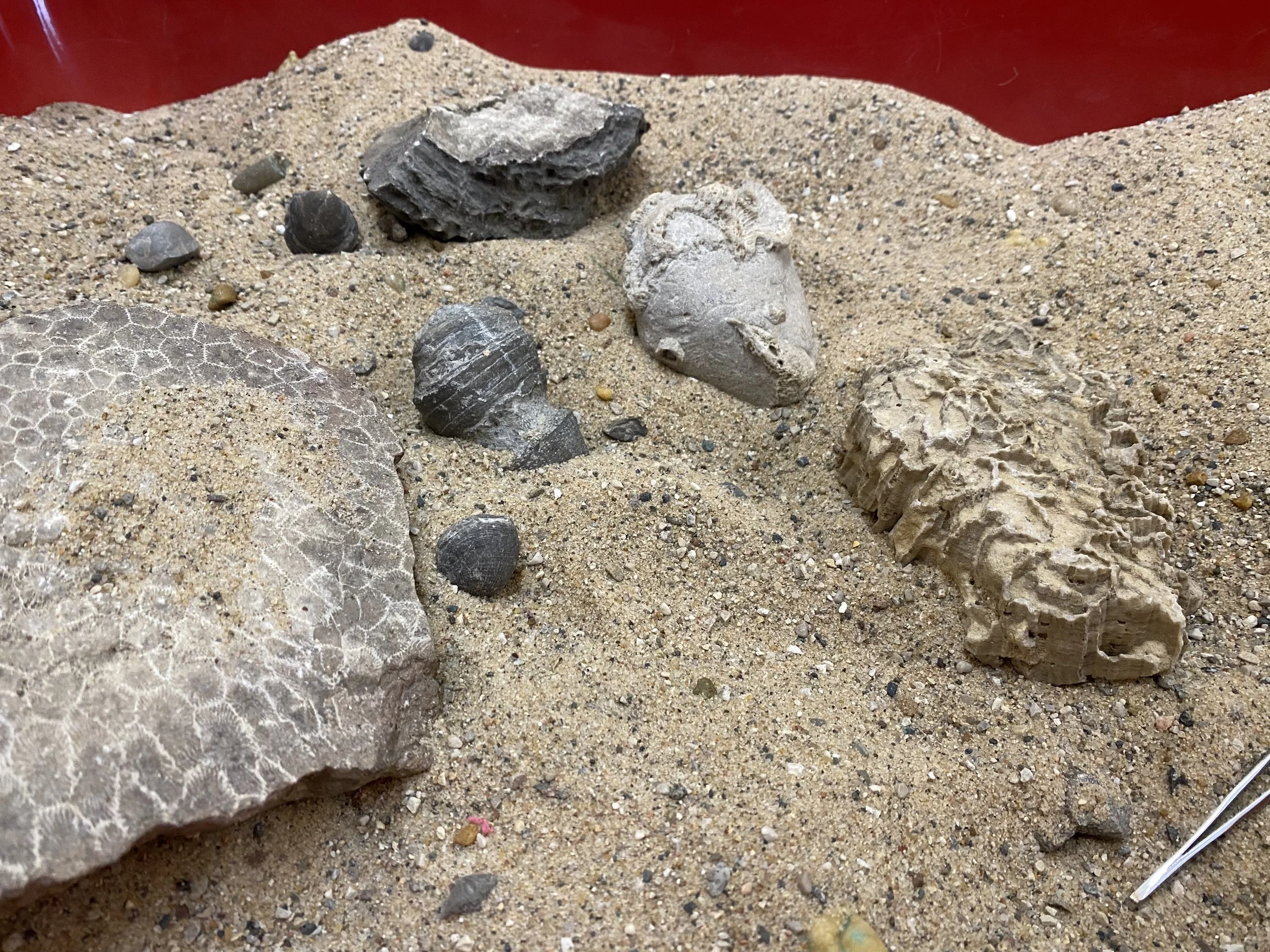
We kept ourselves busy this morning! We started the morning reading about dinosaurs and finding fossils in the Nature Center. We learned that birds today are related to the dinosaurs that lived long ago! Ms. Paige asked us if we would want a dinosaur for a pet…we decided they might be just a bit too big to fit in our houses!
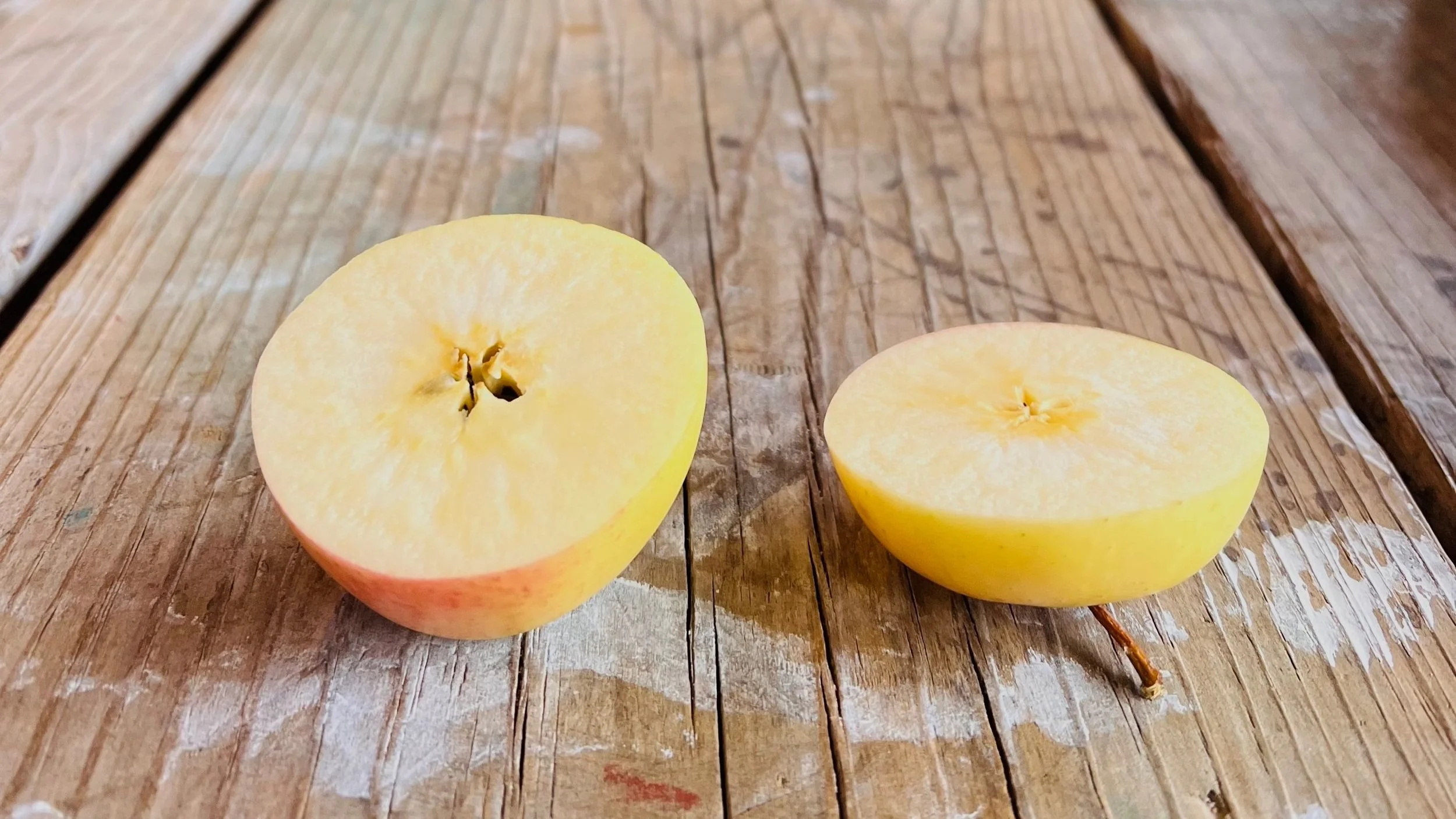
We had a pleasant surprise this morning as Ms. Rachel got to teach us today! We read a story titled The Apple Orchard Riddle, written by Margaret McNamara. This story took us on a journey to an apple orchard. We were challenged to solve this riddle: There is a little red house, with no doors and no windows, and a star inside. What is it?