2026 Millage Renewal Information
A proposal will be on the November 3rd, 2026 ballot to renew and reset the previously voter-approved 0.1 mill for the Grand Traverse Conservation District for a 10-year term.
Frequently Asked Questions
-
In Michigan, Conservation Districts are state-mandated local units of government formed in response to the 1930’s soil erosion crisis to conserve soil and water resources. Today, the goals of a conservation district are to address the most critical local natural resource concerns.
The Grand Traverse Conservation District is a public entity - it is not a non-profit organization. -
The Grand Traverse Conservation District (The District) works to steward the Boardman-Ottaway River watershed, lead local conservation and restoration efforts, provide environmental education, and teach farmers sustainable agricultural practices throughout Grand Traverse County.
The District empowers the public to connect with the natural world through access to 2,500+ acres of parklands, educational and outdoor recreational programming, volunteer opportunities, and annual native seedling and plant sales.
-
The District operates with no reliable state or federal funding. Instead, it relies on diversified grants, community programs, contracted services, and fundraising efforts. The District’s millage, which was successfully passed in 2018 and levied through 2025, ensured for the first time in decades sustainable, consistent funding.
-
The proposal on the November 3rd, 2026 ballot is to renew and reset the previously voter-approved 0.1 millage for a 10-year term.
Please CLICK HERE to read the official ballot language.
-
If approved, the annual cost to a homeowner in Grand Traverse County will be $0.10 per $1,000 of a property's taxable value. The average cost to a residential property owner will be approximately $13.33 annually, less than a movie ticket at AMC!
-
The ballot proposes a renewal and reset of the 0.1 mill levy. If adopted, the current rate of 0.0932, reduced by the required millage rollbacks, will be reset to the original 2018 voter-approved rate.
-
It is estimated that a 0.1 mill levy in 2026 would generate $871,492 in its first year.
-
The millage funds will be used to 1) support operations and staffing to sustain a stable organizational structure, 2) provide matching funds for competitive grants, and 3) create capital funds for building repairs, improvements and equipment purchases.
-
Everyone who lives, works, or visits Grand Traverse County benefits from the Conservation District's work.
Healthy forests, rivers, farms, and natural areas provide clean drinking water, cleaner air, wildlife habitat, and the parks, trails, and open spaces that define our community. They also support outdoor recreation, agriculture, tourism, and the strong quality of life that makes Grand Traverse County a great place to live.
Whether you fish a Blue Ribbon trout stream, explore a local trail, visit the Nature Center, or simply value clean water and healthy landscapes, you benefit from the Conservation District's work. The millage represents an investment in protecting these resources and ensuring they remain healthy, accessible, and resilient for generations to come.
-
With the stability provided by the previous millage, the District has been able to accomplish the following programs, initiatives, and projects:
Management of natural resources and recreation lands in partnership with Grand Traverse County, the City of Traverse City, and other local units of government. This work includes invasive species control, trail maintenance, habitat restoration, watershed protection, and natural resource planning across 2,500+ acres of public land.
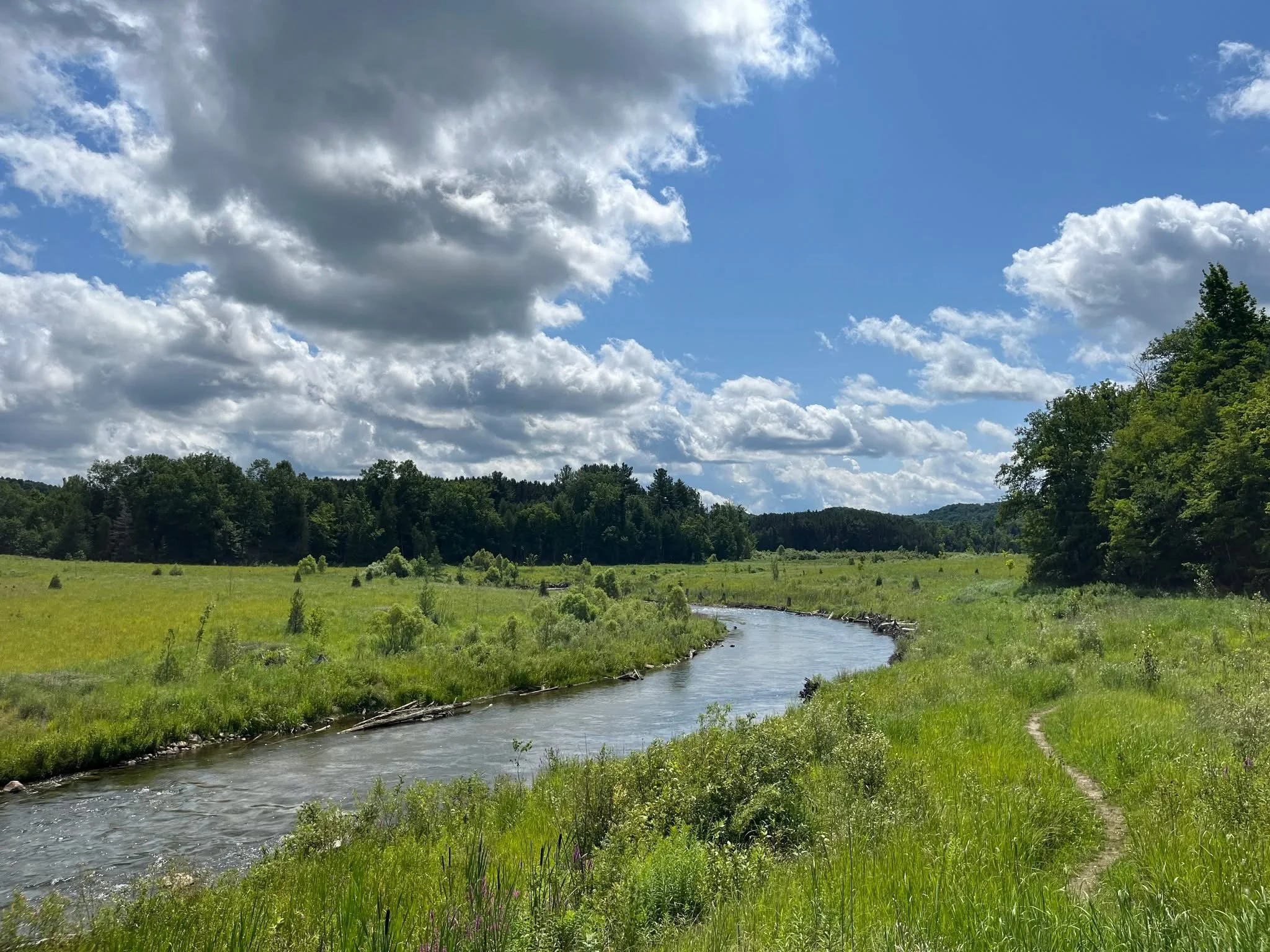
Restoration and stewardship of the Boardman–Ottaway River and its watershed. District staff have helped restore hundreds of streambank erosion sites, improve aquatic habitat, and support the ongoing recovery of the river following the historic removal of several dams.
Support of regional agriculture through several initiatives, including the Great Lakes Incubator Farm (GLIF), which trains new farmers and strengthens the local food system through regenerative agriculture practices. Through GLIF, 6,000+ lbs of food was donated to NW Food Rescue in 2025. Additional programs provide technical assistance to farmers on soil health, environmental stewardship, produce safety, and organic transition.
High-quality Environmental Education programming. The Boardman River Nature Center serves as a hub for environmental education in northern Michigan. The District’s education programs connect thousands of students, families, and educators with hands-on learning opportunities focused on the region’s forests, waters, and wildlife. Over 13,000 people attended Environmental Education programming last year alone.
Forestry and Landowner Assistance. Through the Forestry Assistance Program, District foresters provide free technical guidance to private landowners on forest health, habitat enhancement, and responsible land stewardship.
Native Plant and Seedling Programs. The annual seedling and native plant sales distribute tens of thousands of trees, shrubs, and native plants each year. These programs support habitat restoration, pollinator health, and community awareness of native ecosystems.
Completion of the Ottaway Crossing Footbridge which connects 40+ miles of trails in the region.
-
If the millage request fails to pass, the following benefits, programming, and services will be reduced or eliminated:
40% of full-time staff
100% of all staff benefits, including health coverage and retirement
Stewardship of and safe access to the Boardman Ottaway River
Operation of the Boardman River Nature Center
Safe access to 2500+ acres of public parklands
Environmental Education programming including Peepers, Knee-High Naturalists, and Nature Day Camp
Community outreach and engagement events
Volunteer programs
Annual native plant and seedling sales