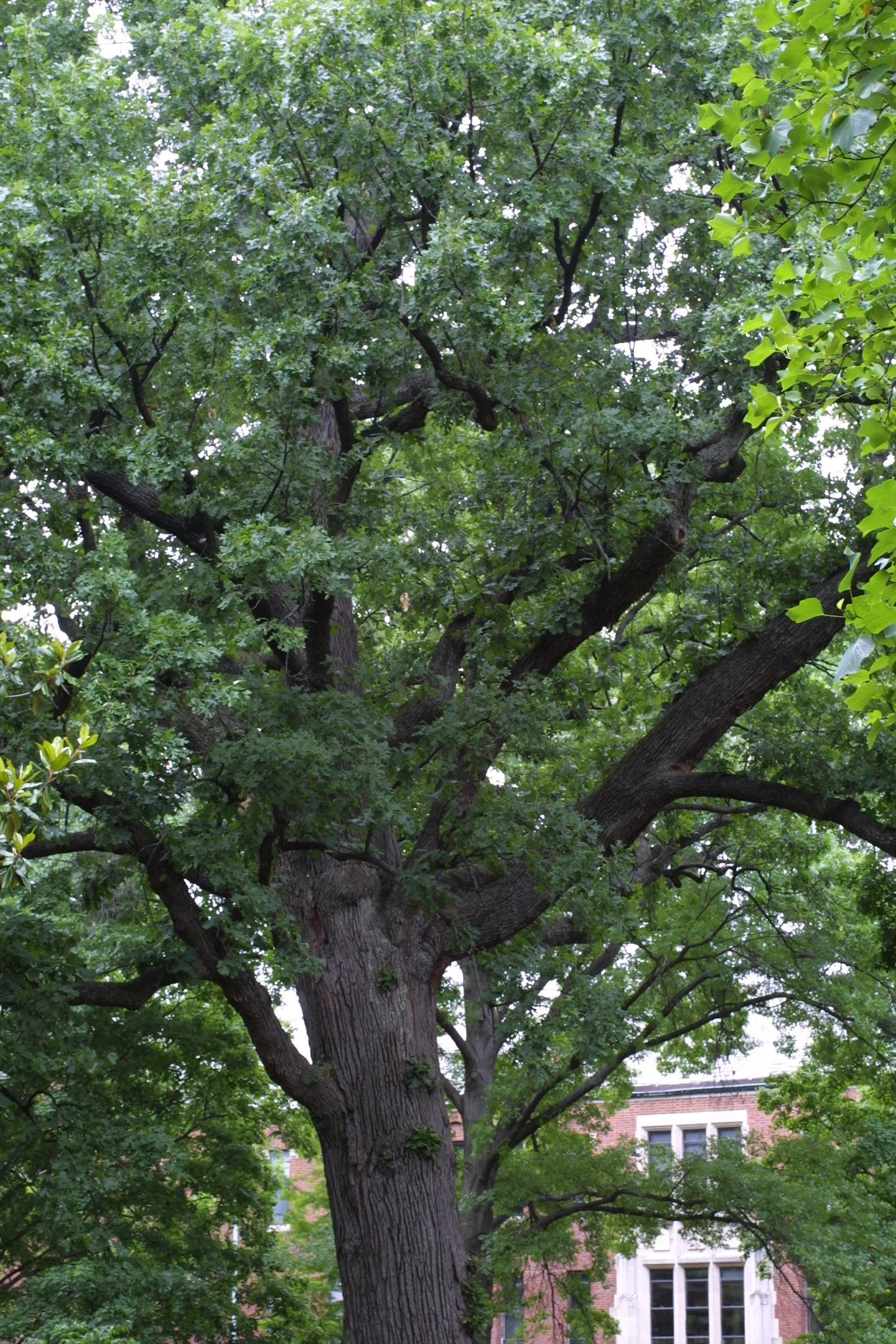
River Birch
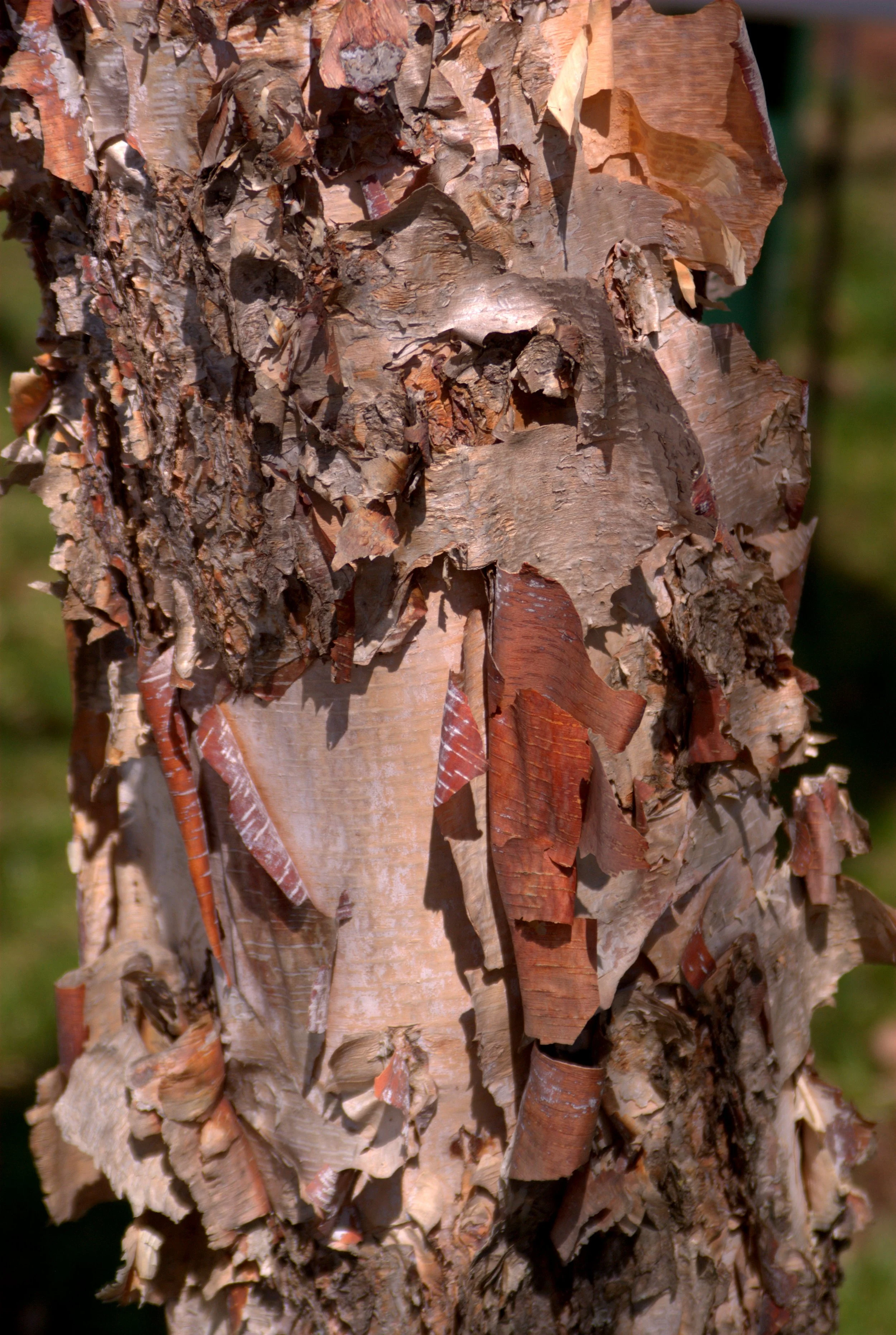
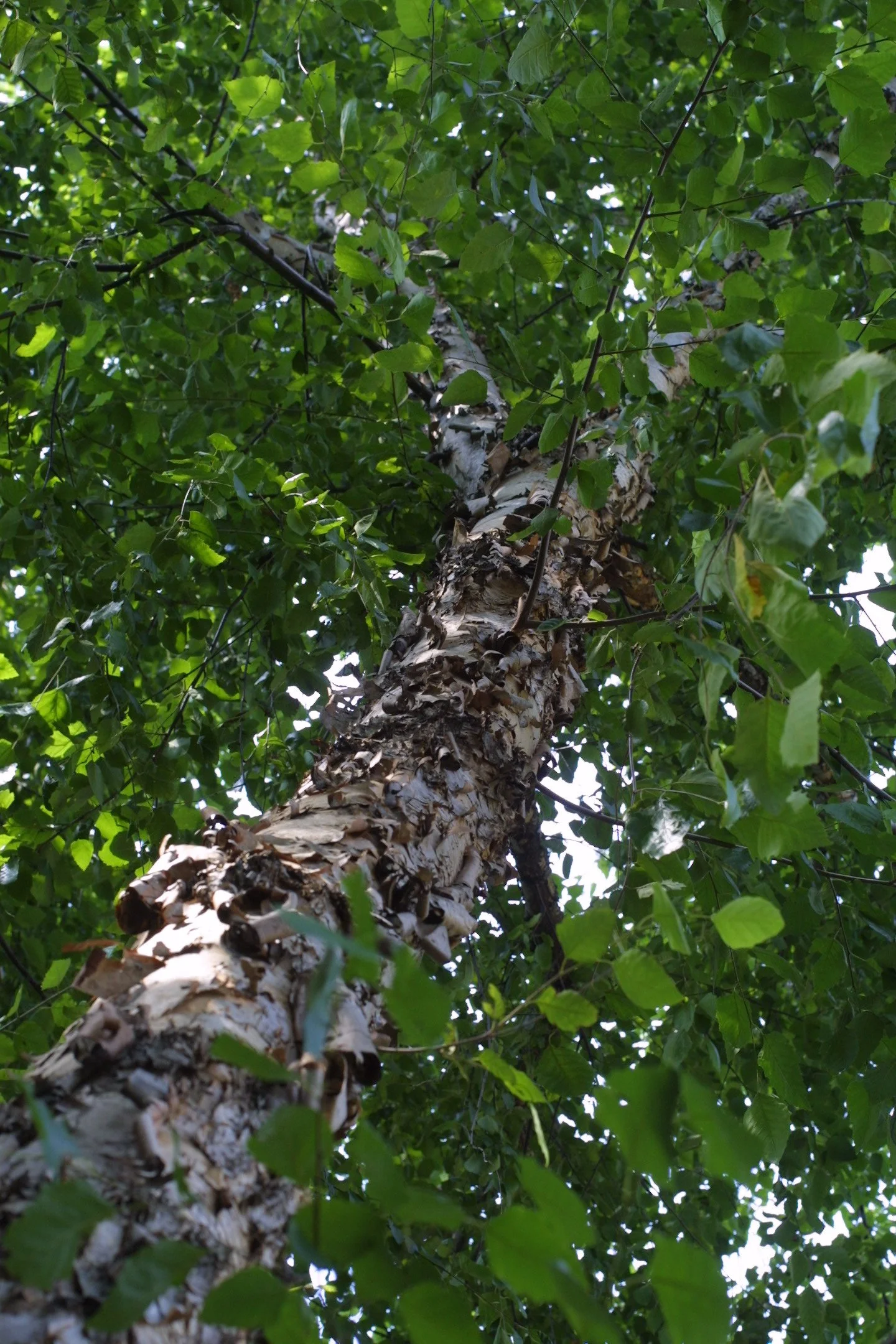
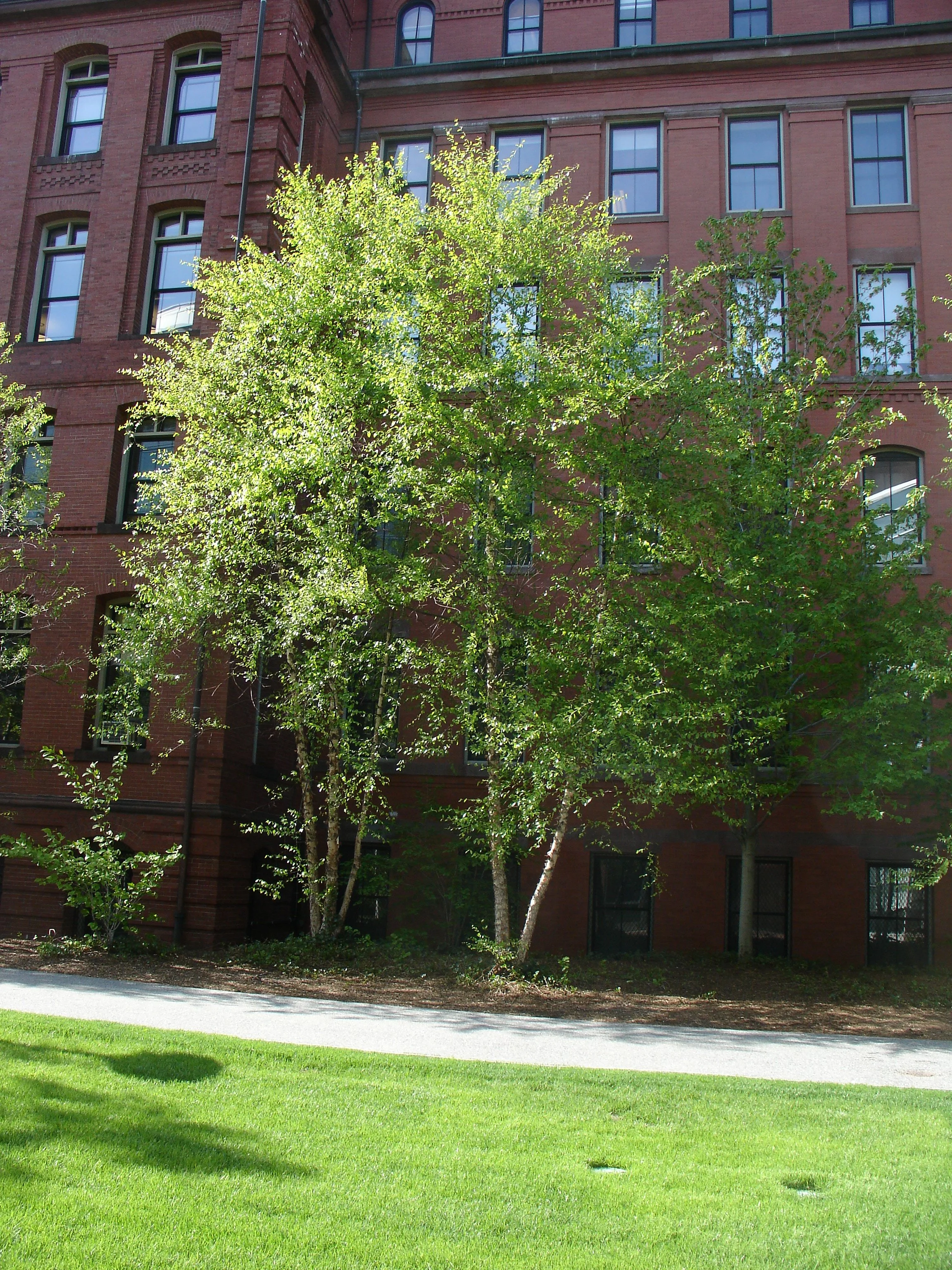
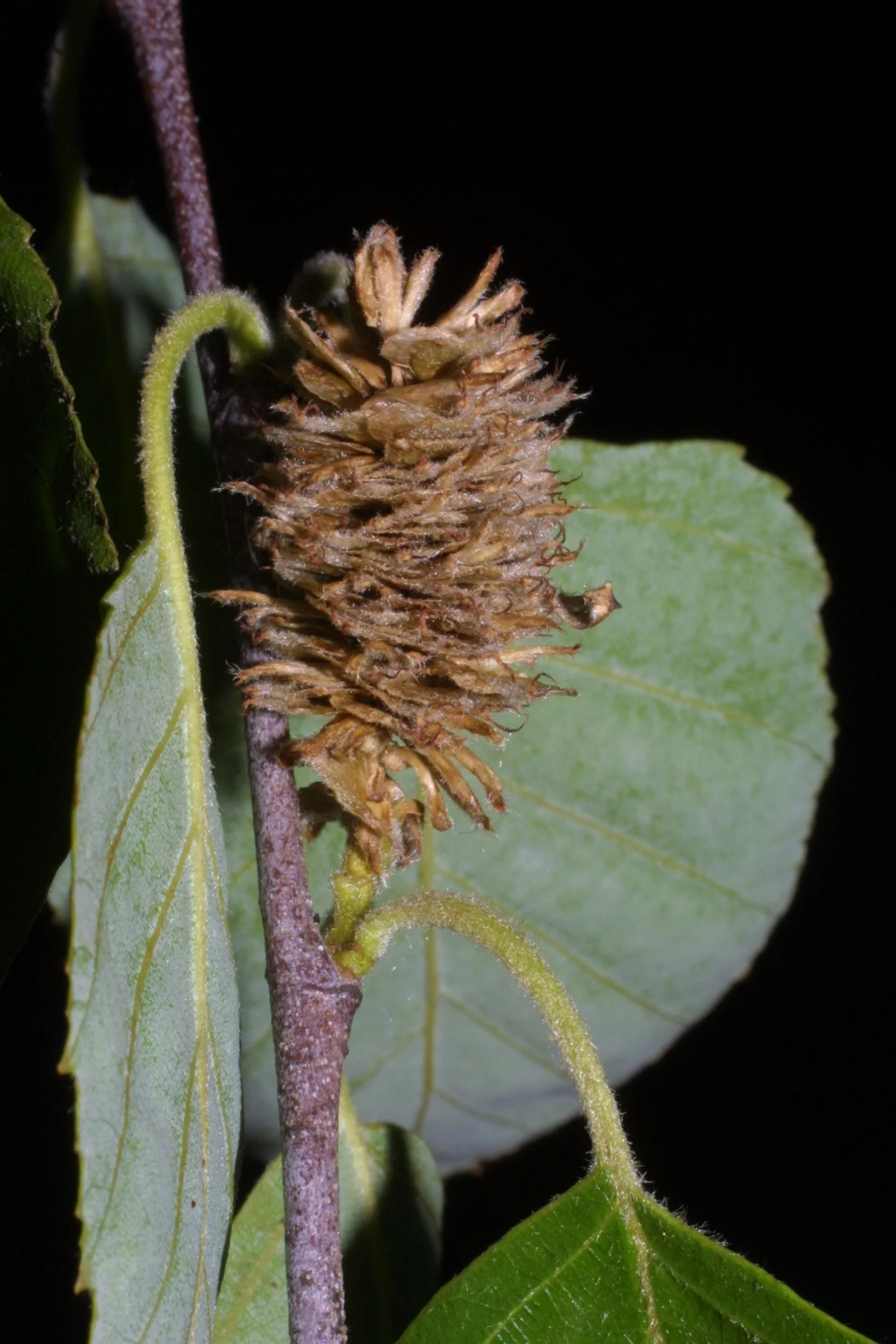
River Birch
from $17.00
Size: 12-18”
Age class: 1-0
Bundle:
Quantity:
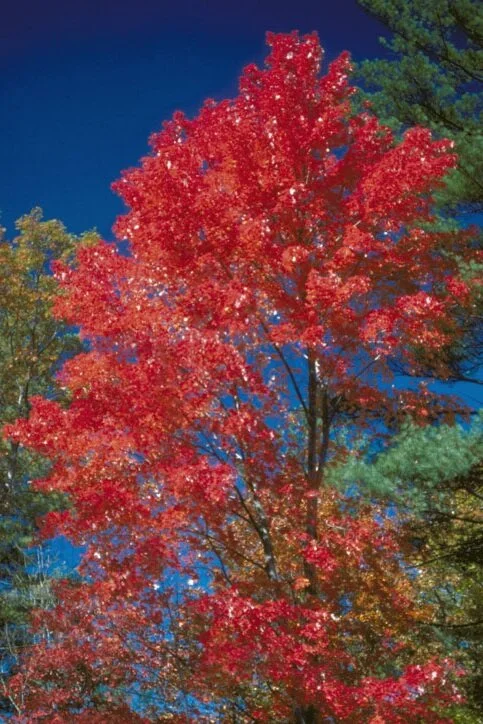
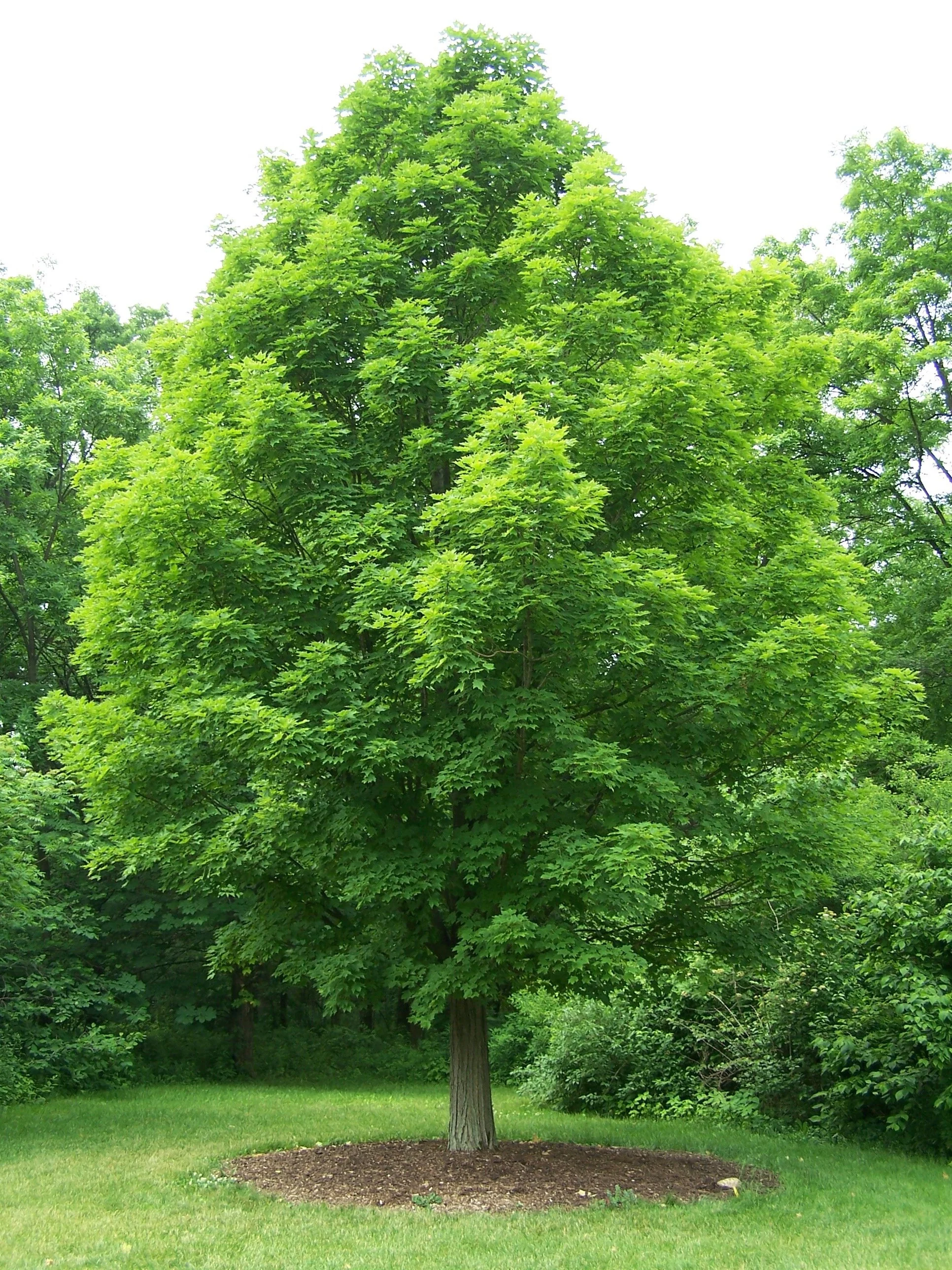
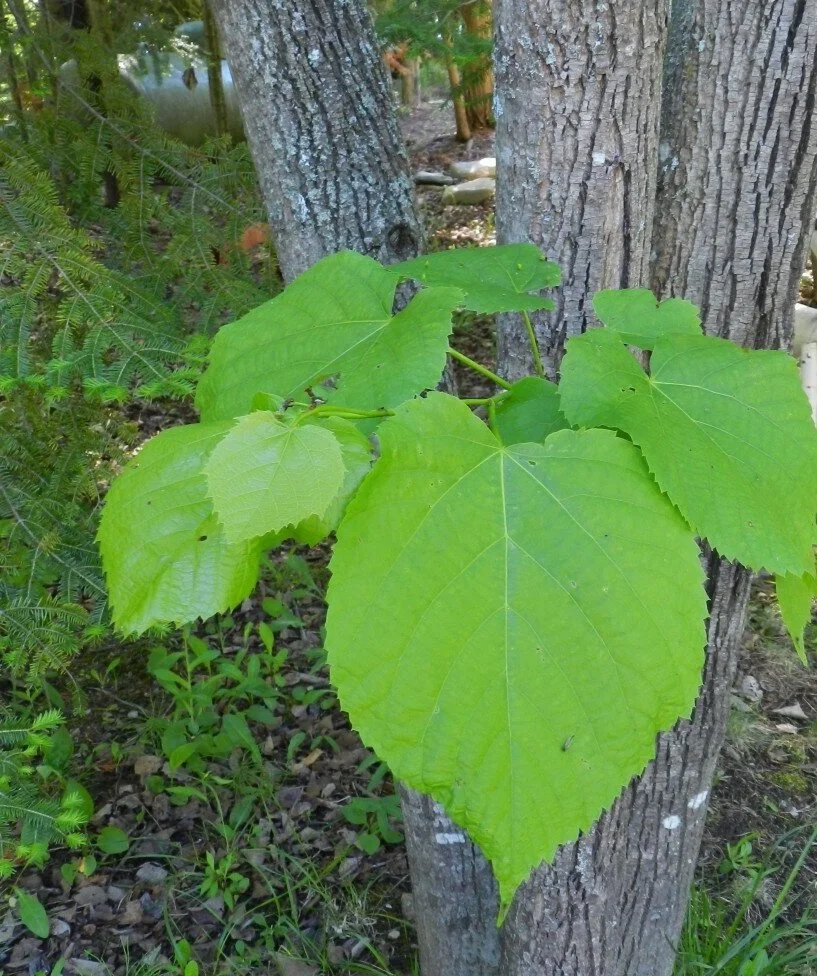
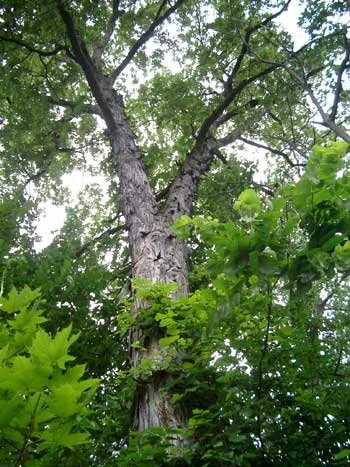
River birch (Betula nigra) is the southernmost growing birch in North America. Its northern range barely extends into southern Michigan, although it is hardy to zone 4. Best planted in low lying areas along water features or in rain gardens. It grows 40-70 ft tall. River birch seeds feed a diversity of bird and mammal species.
Photos by: Steven J Baskauf
BUNDLE BREAKDOWN:
Per-bundle pricing displayed below. Multiple-bundle pricing reflected in shopping cart.
Bundle of 5: $17
Bundle of 10: $27
Bundle of 25: $51
Bundle of 50: $85
Bundle of 100: $136
STATS ON RIVER BIRCH
Mature Height: 40-70ft
Mature Width: 40-60 ft
Soil Type: Acid, Moist, Well-drained
Moisture: Wet, Medium-wet, Medium
Sun: Full Sun, partial
Growth Rate: Fast
KEY CHARACTERISTICS OF RIVER BIRCH
Doubly serrate leaves turn yellow in the fall but drop quickly.
Catkins appear in April or May, but are not considered ornamental.
Impressive curling bark is a key selling point for many landscapes.
VISITORS ATTRACTED TO RIVER BIRCH
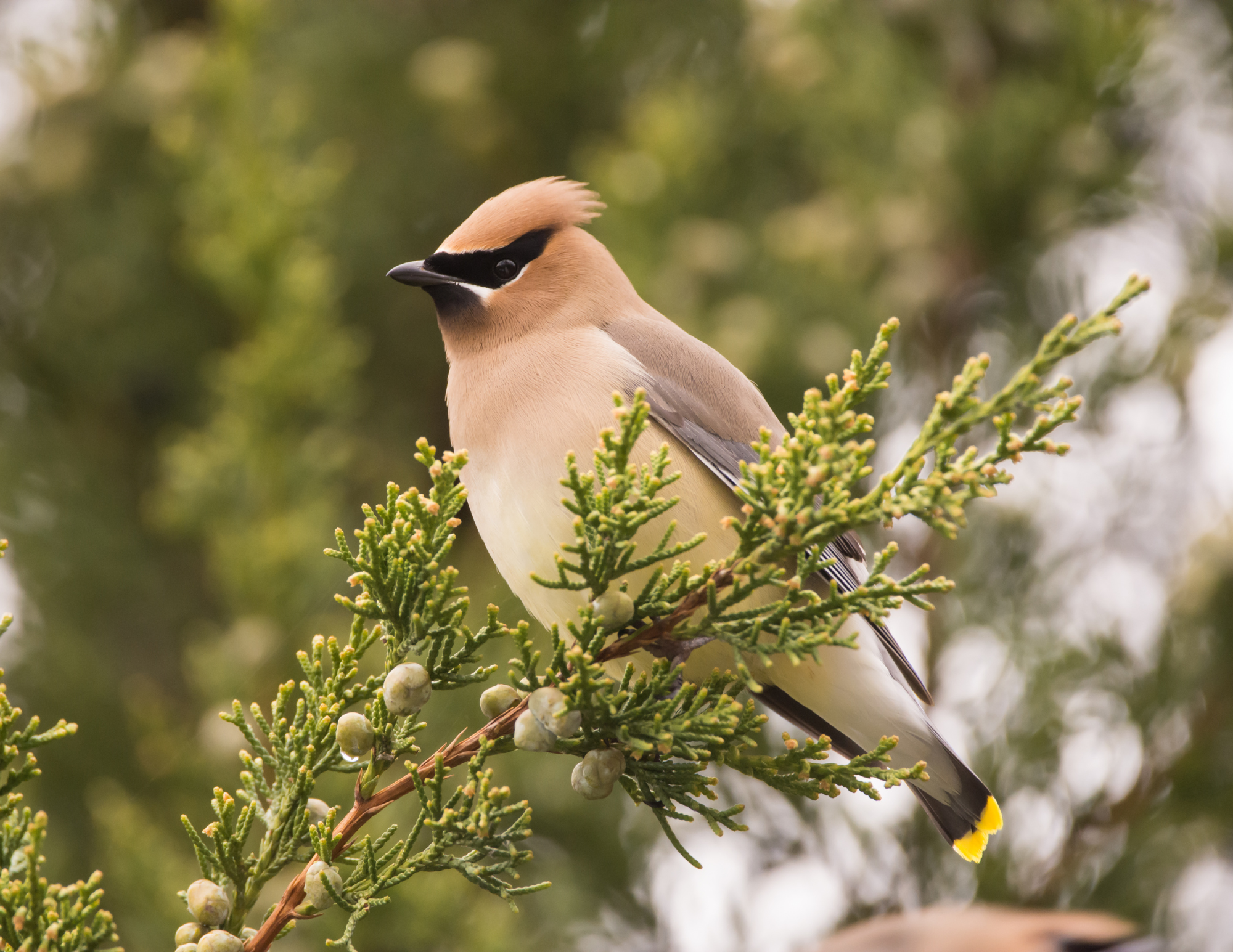
Cedar Waxwing (Bombycilla cedrorum), by Getty Images
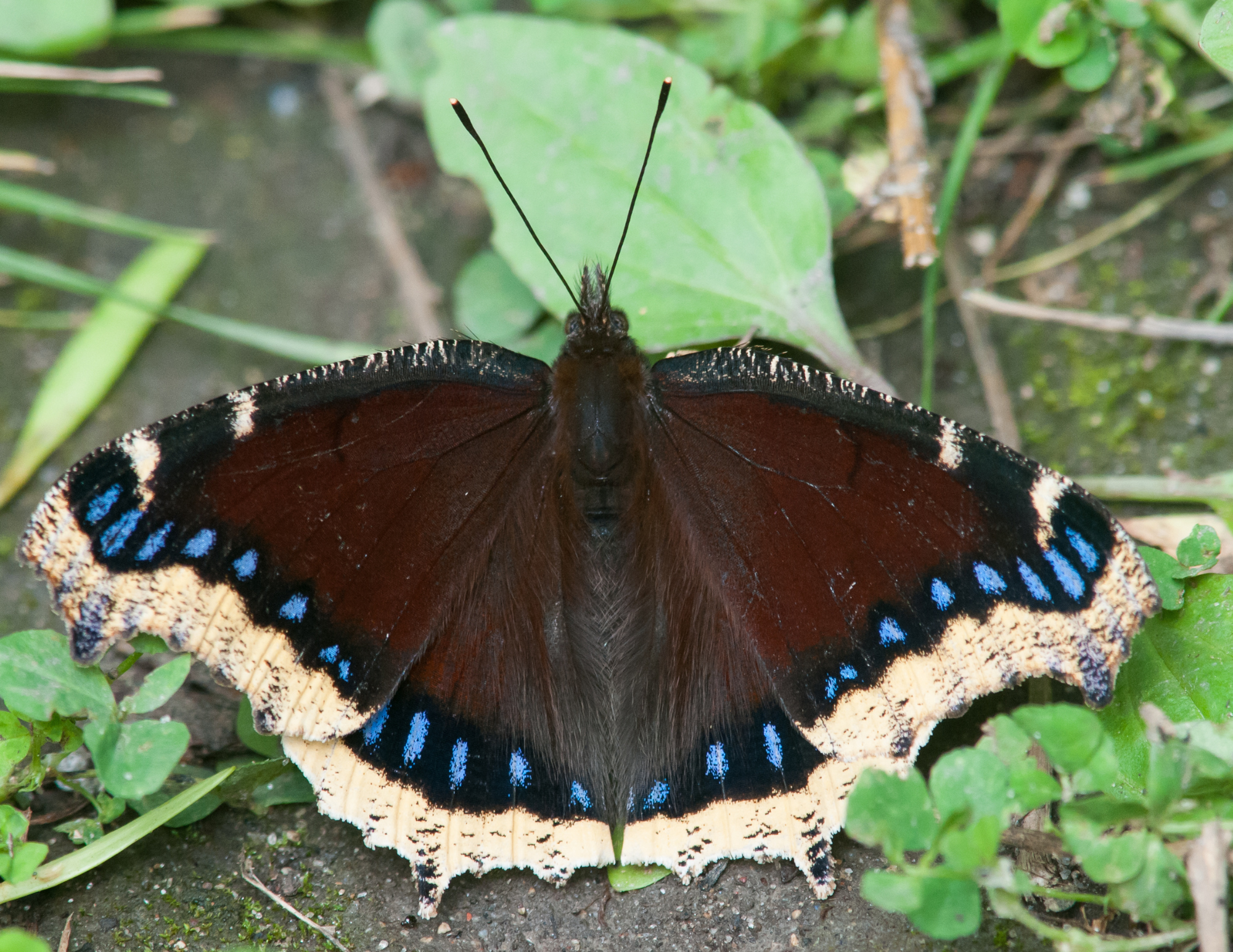
Mourning Cloak Butterfly (Nymphalis antiopa), by Getty Images
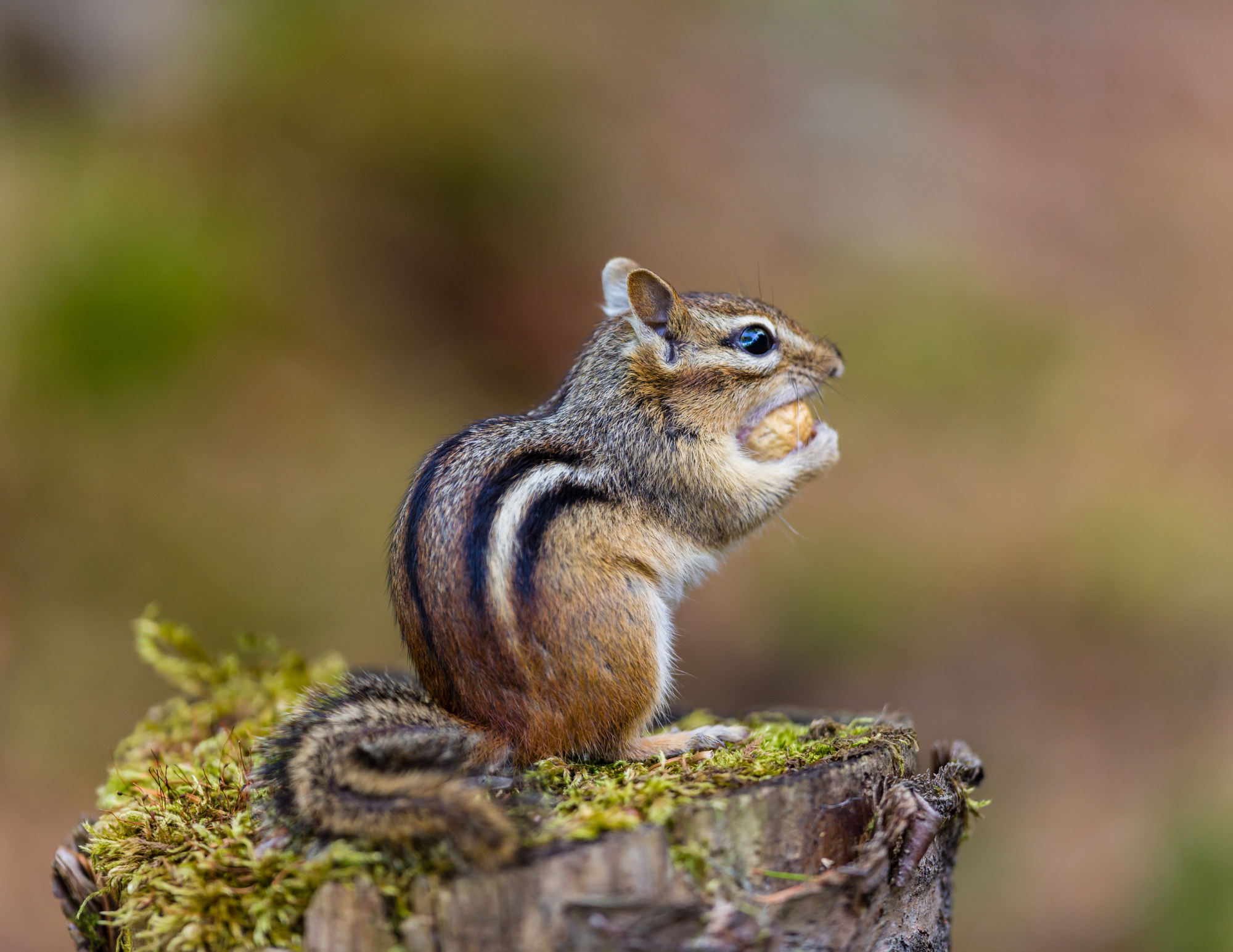
Eastern Chipmunk (Tamias striatus), by Getty Images
HELP CONTROL INVASIVES!
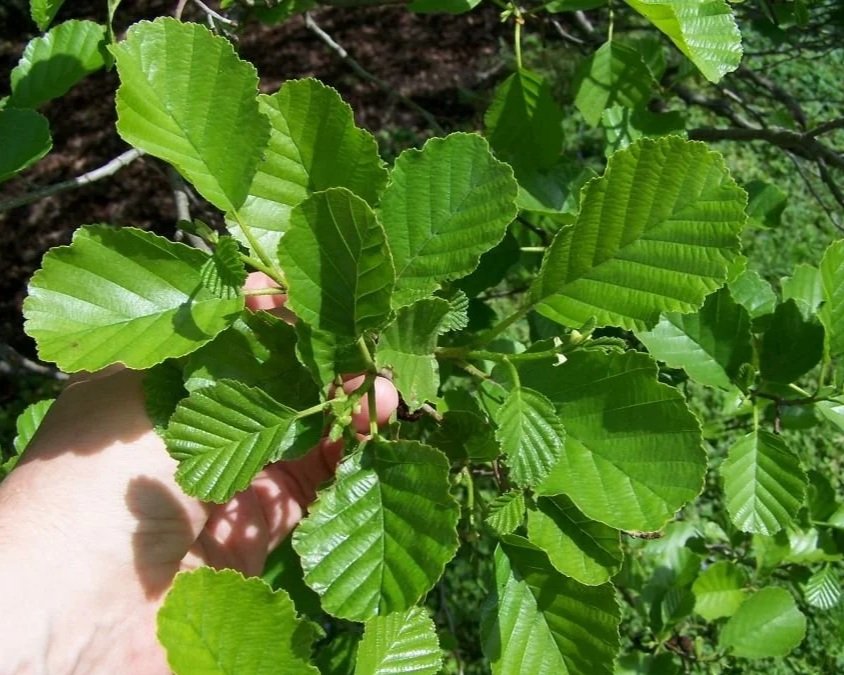
Black Alder, Bruce Marlin
Try River Birch in place of invasive black alder (Alnus glutinosa), both of which like sunny, moist locations. Black alder is aggressive in wetland communities, replacing native vegetation.