Quaking Aspen
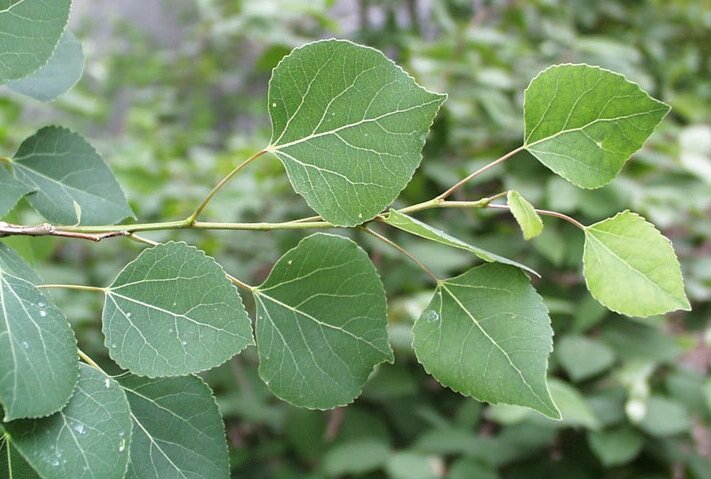
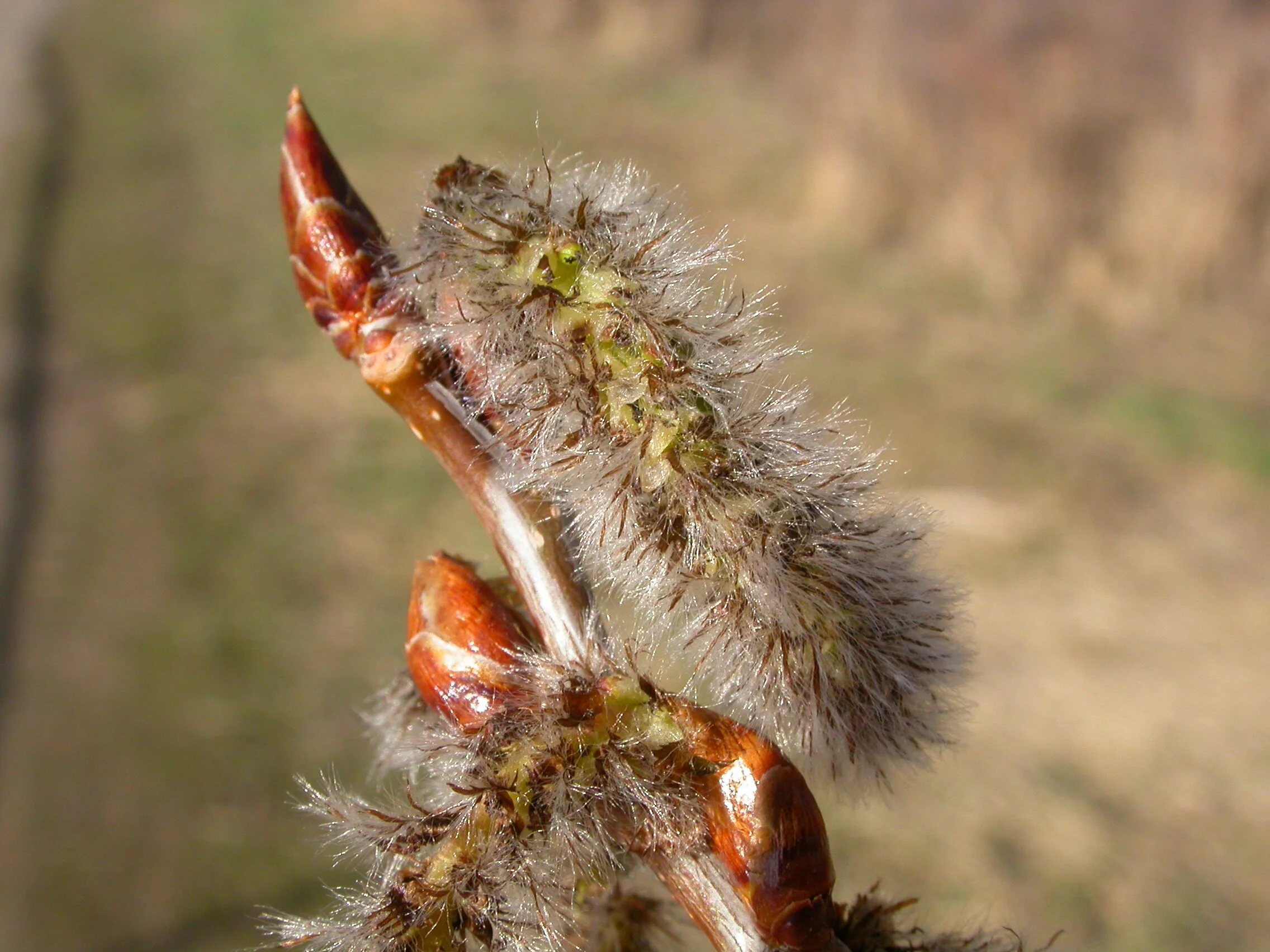
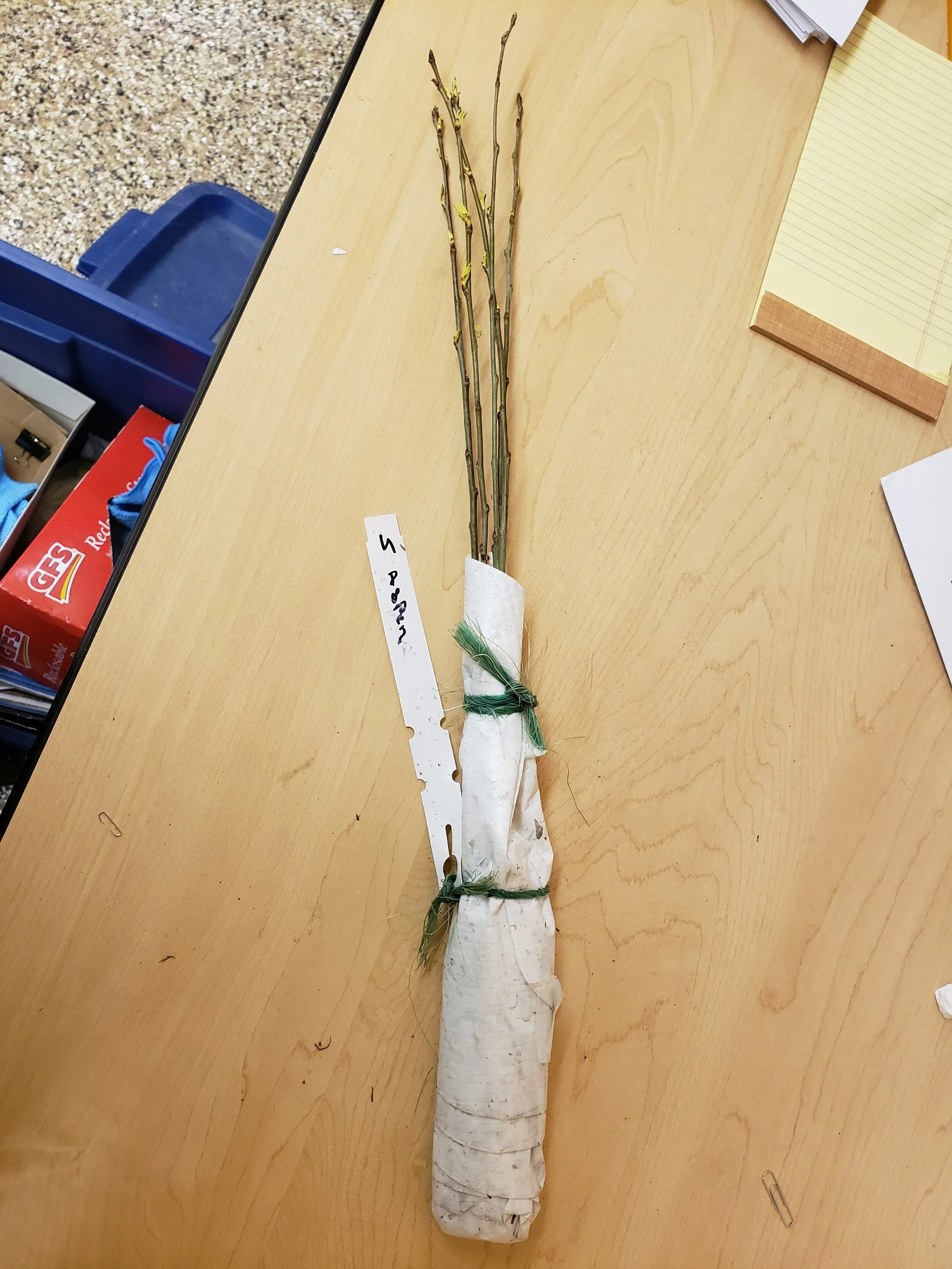
Quaking Aspen
from $31.00
Size: 12 - 18”
Age class: 1-0
Bundle:
Quantity:
Quaking aspen (Populous tremuloides), also called trembling aspen or just “popples,” has the widest natural range of any tree in North America. It is also the largest living organism, growing in clones that reproduce primarily by sending up sprouts from their roots. It is not a tree for all places, and care must be taken when used for landscaping purposes. With a larger planting area, a quaking aspen grove provides beneficial wildlife habitat and wood for products.
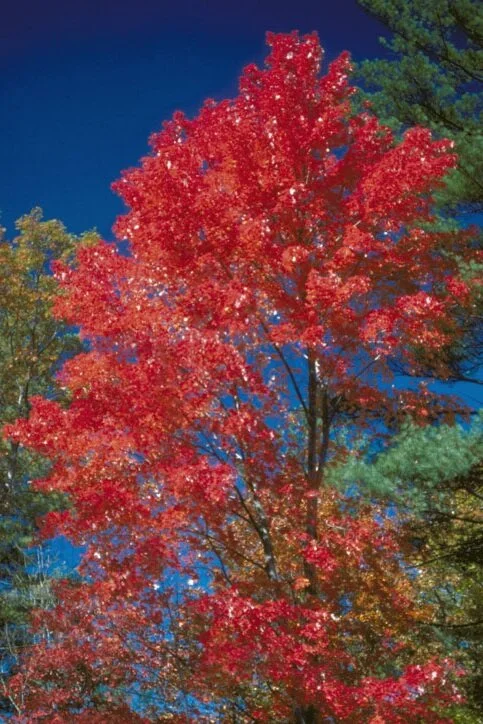
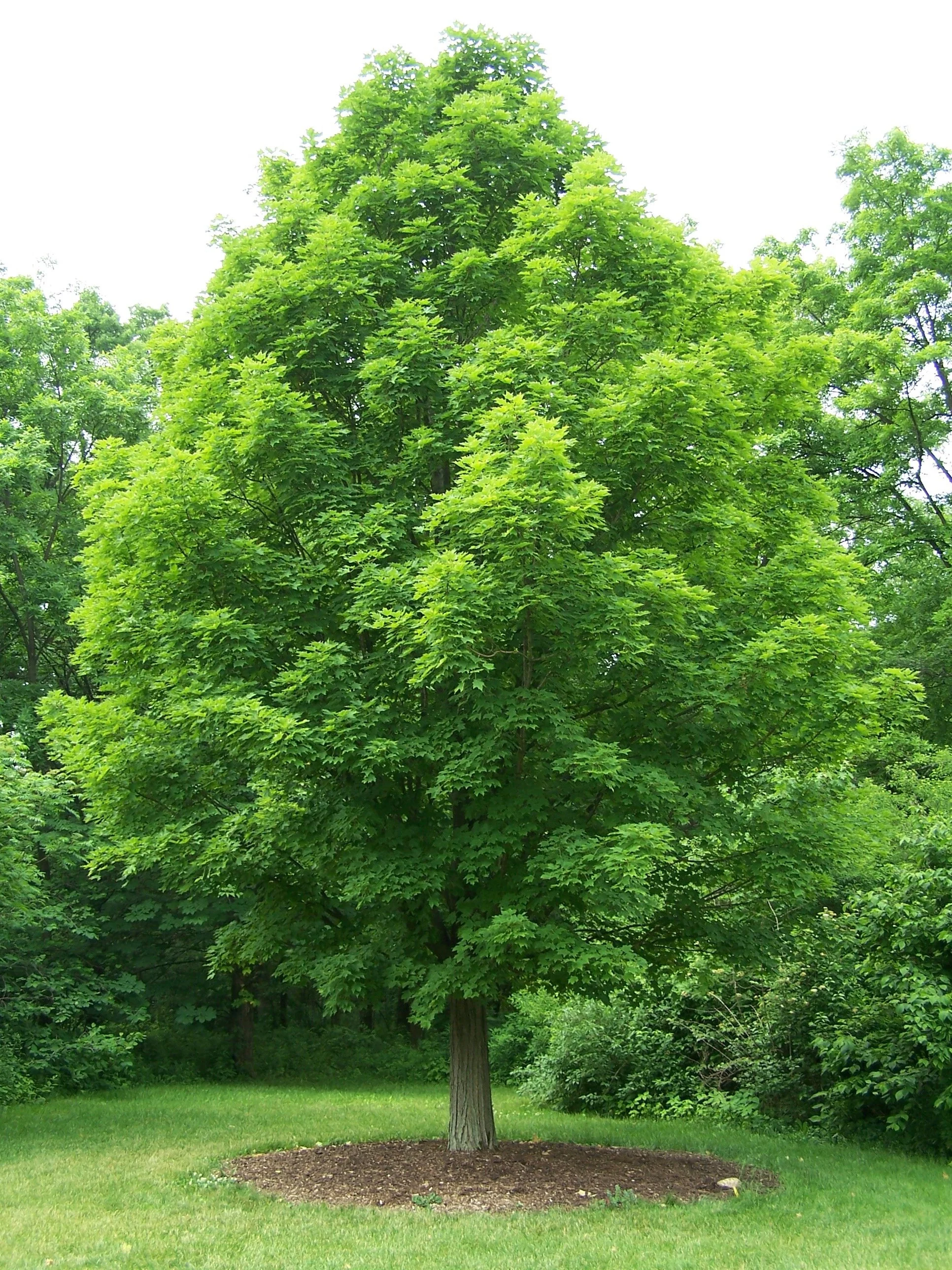
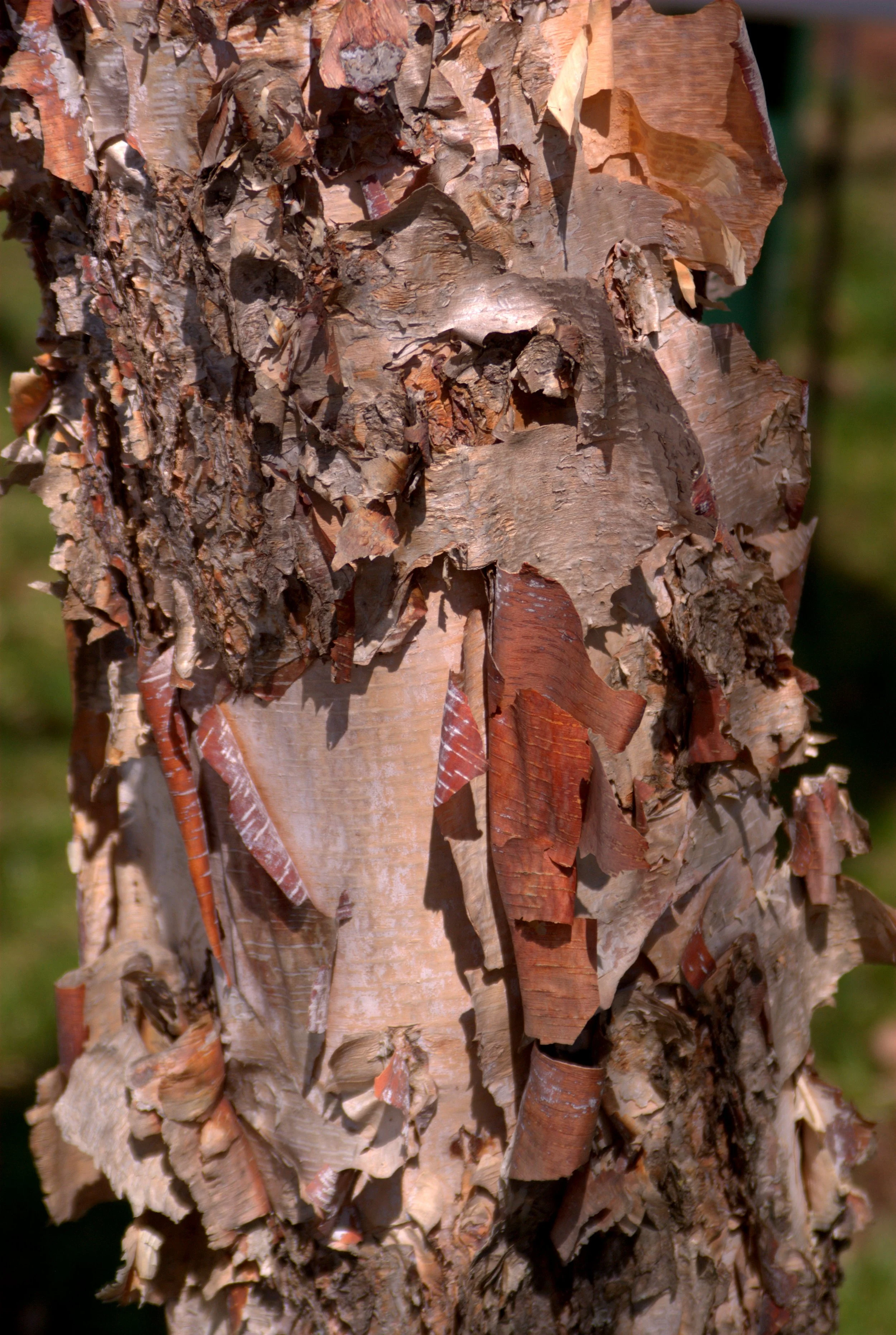
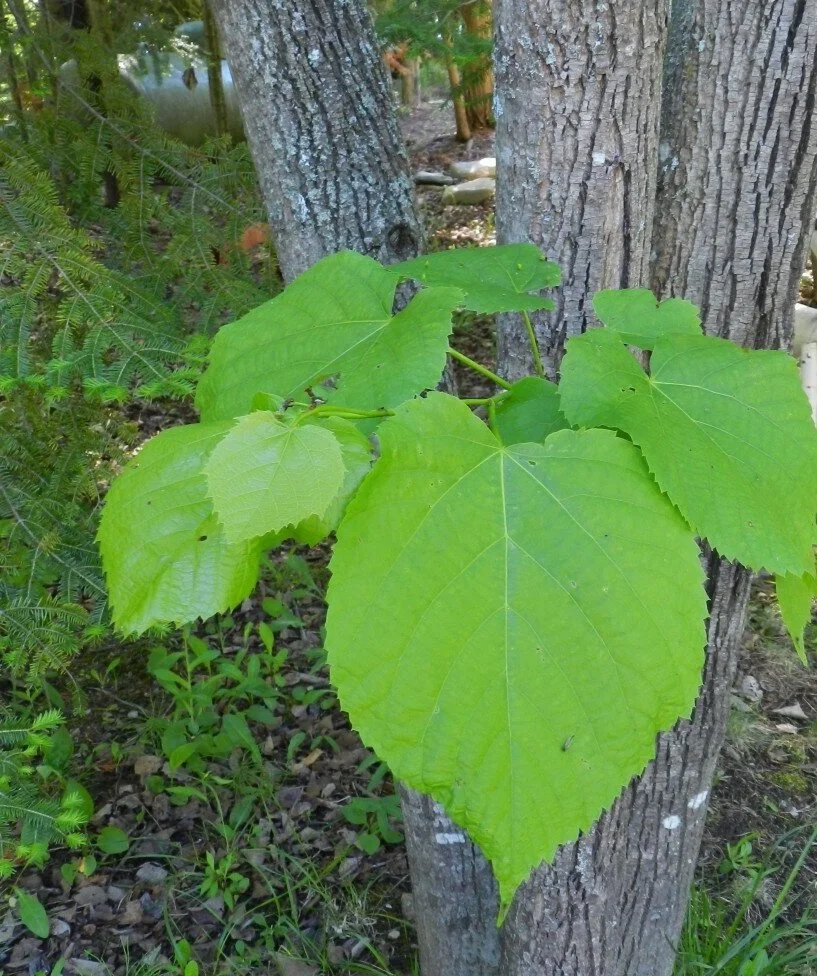
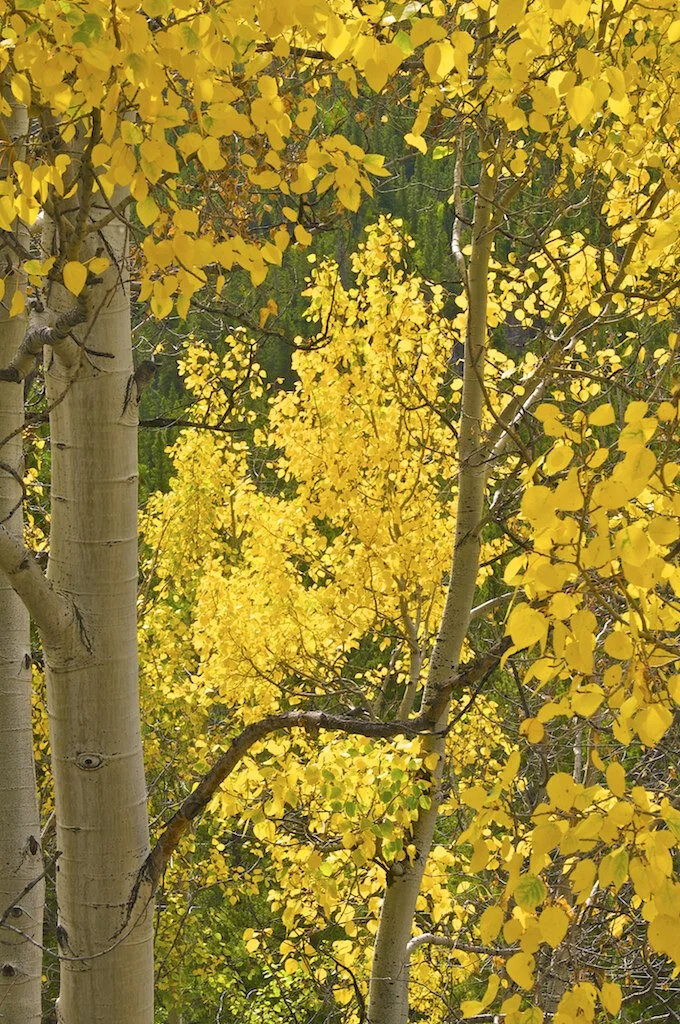
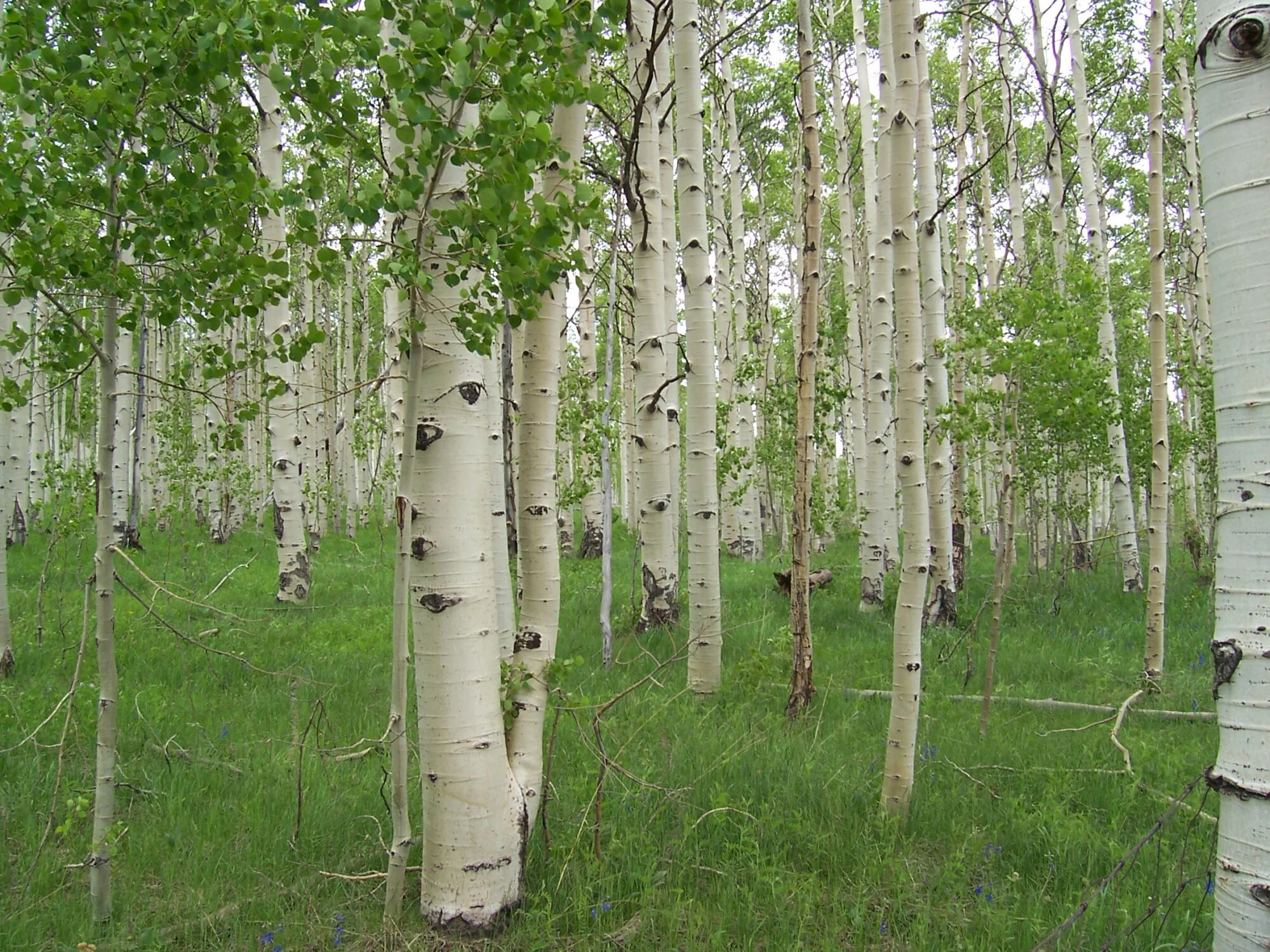
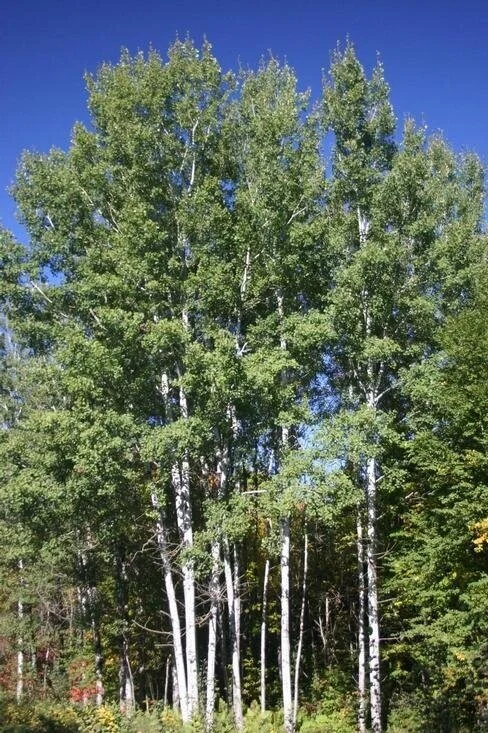
Photos: fall color by Brian Huculak, leaves by Joseph O’Brien, trees by Steve Katovich, grove by Zion National Park, buds by Matt Lavin, seedlings by GTCD
BUNDLE BREAKDOWN:
Per-bundle pricing displayed below. Multiple-bundle pricing reflected in shopping cart.
Bundle of 5: $31
Bundle of 10: $50
Bundle of 25: $93
Bundle of 50: $155
STATS ON QUAKING ASPEN
Mature Height: 40–50 feet
Mature Width: 20–30 feet
Soil Type: Well-drained, Clay, Loam, Acidic
Moisture: Dry, Moderate, Moist
Sun: Full Sun, Partial Shade
Growth Rate: Fast
KEY CHARACTERISTICS OF QUAKING ASPEN
Adds movement and a soft, pleasant sound to the landscape due to the "quaking" leaves.
Yields tiny seeds that are dispersed by the wind on cottony tufts in late spring.
Each tree is actually part of a much larger organism, since multiple stems can sprout from the same root system. When trees that are a part of these large clones die, they are eventually replaced with new growth.
VISITORS ATTRACTED TO QUAKING ASPEN
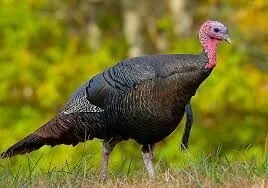
Wild turkey (Meleagris gallopavo), by Dimus
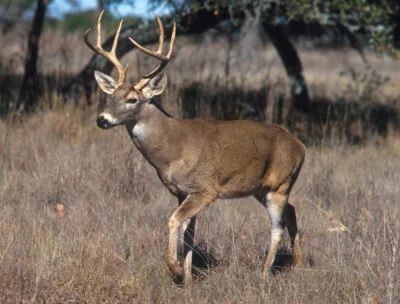
White-tail deer (Odocoileus virginianus), by Scott Bauer
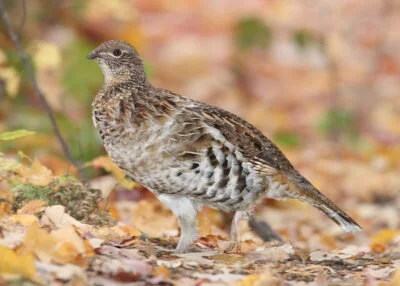
Ruffed grouse (Bonasa umbellus), by Mdf
HELP CONTROL INVASIVES!
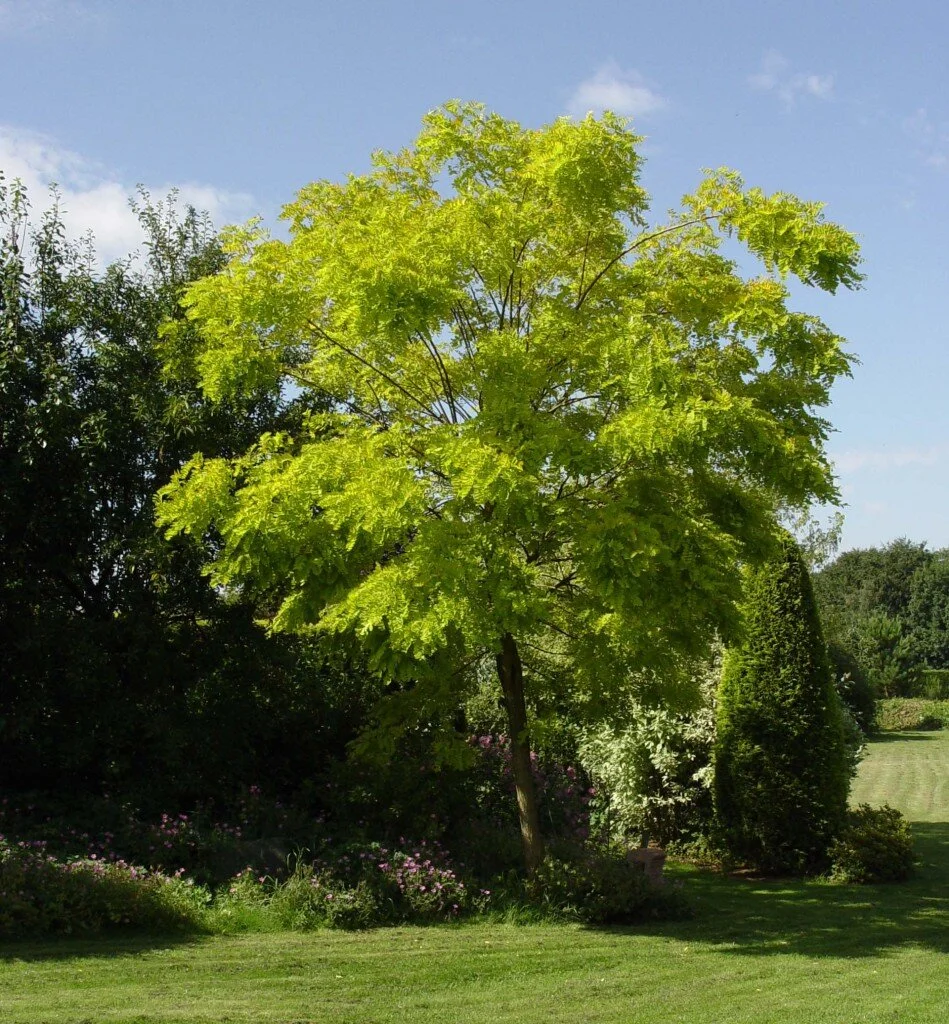
Black locust by Wouter Hagens
Quaking/trembling aspen is a great alternative to a similar pioneer thicket-causing species such as invasive black locust (Robinia pseudoacacia). Black locust is a medium-sized deciduous tree native to the southeastern United States, but it has been widely planted and naturalized elsewhere in temperate North America, Europe, Southern Africa and Asia and is considered an invasive species in Michigan.