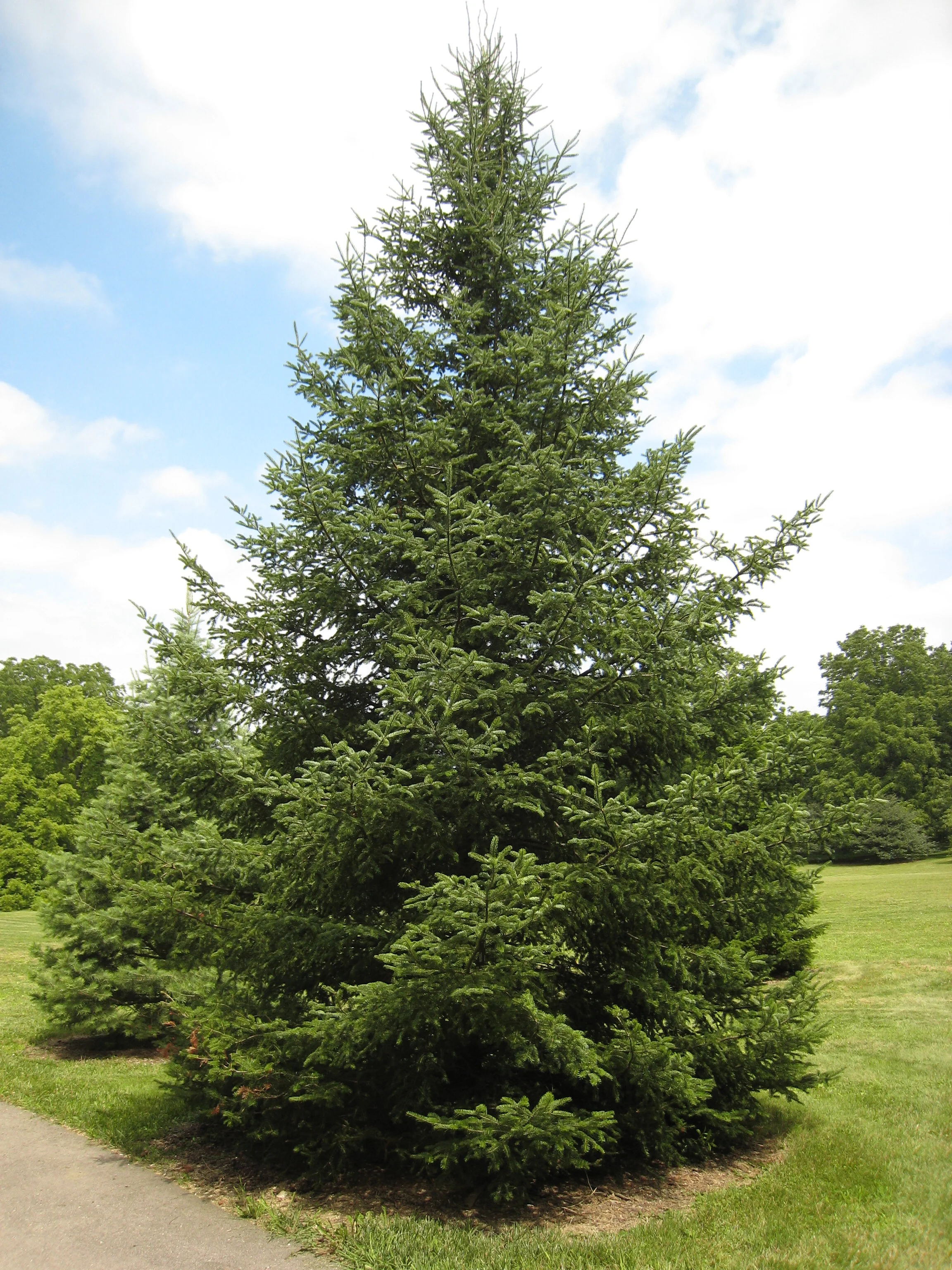
White Cedar
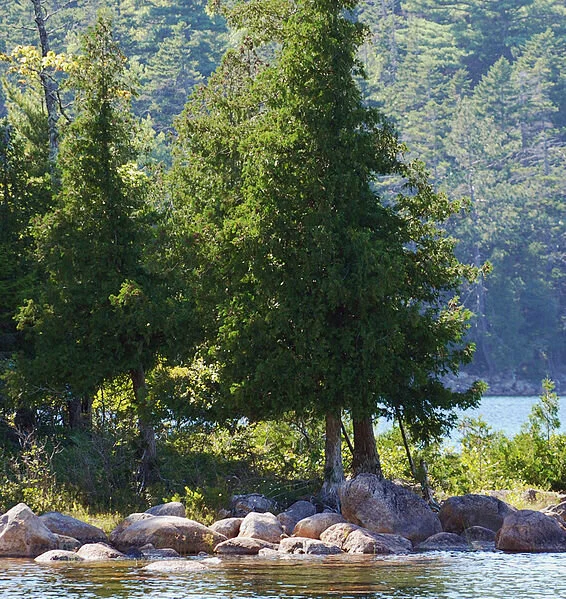
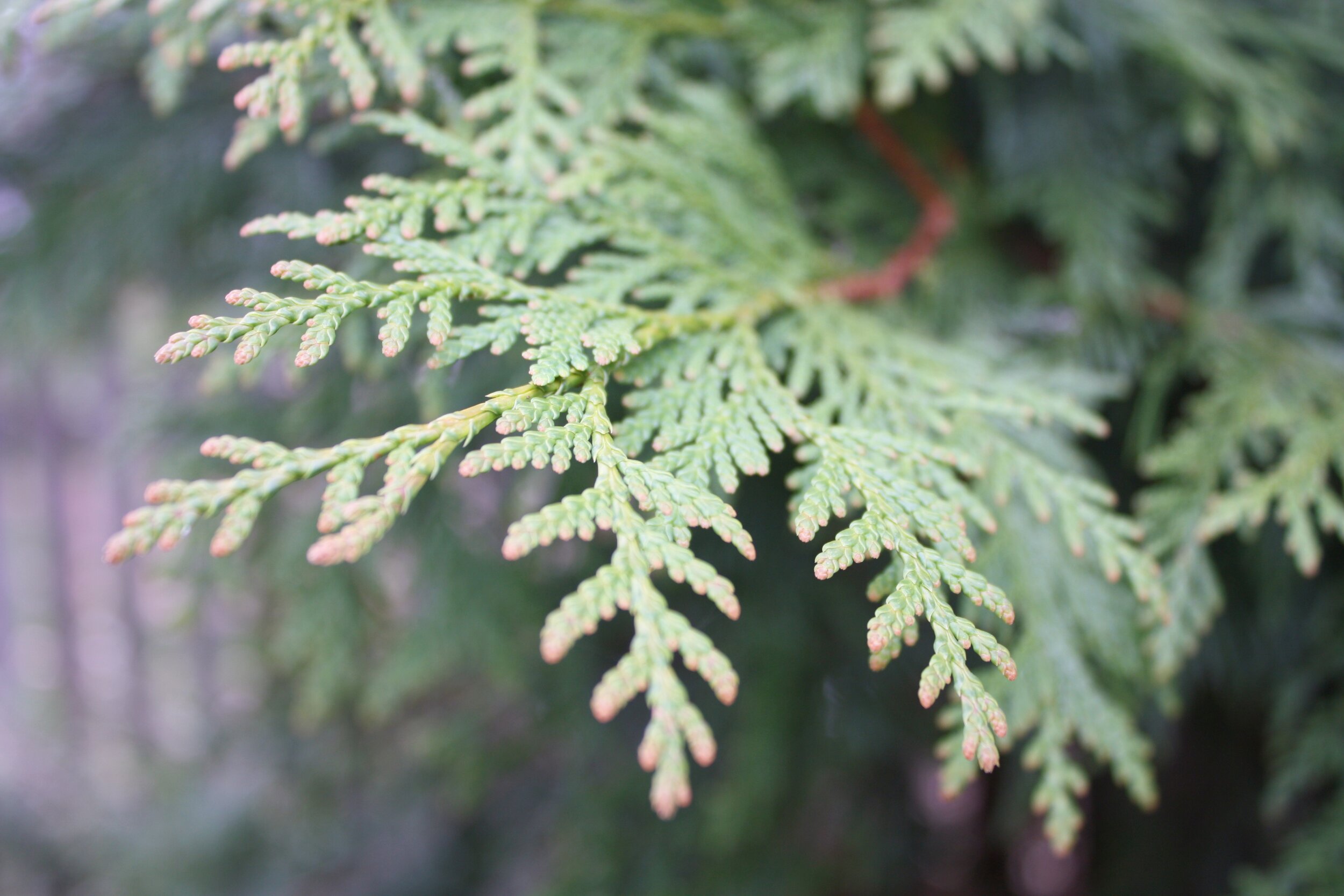
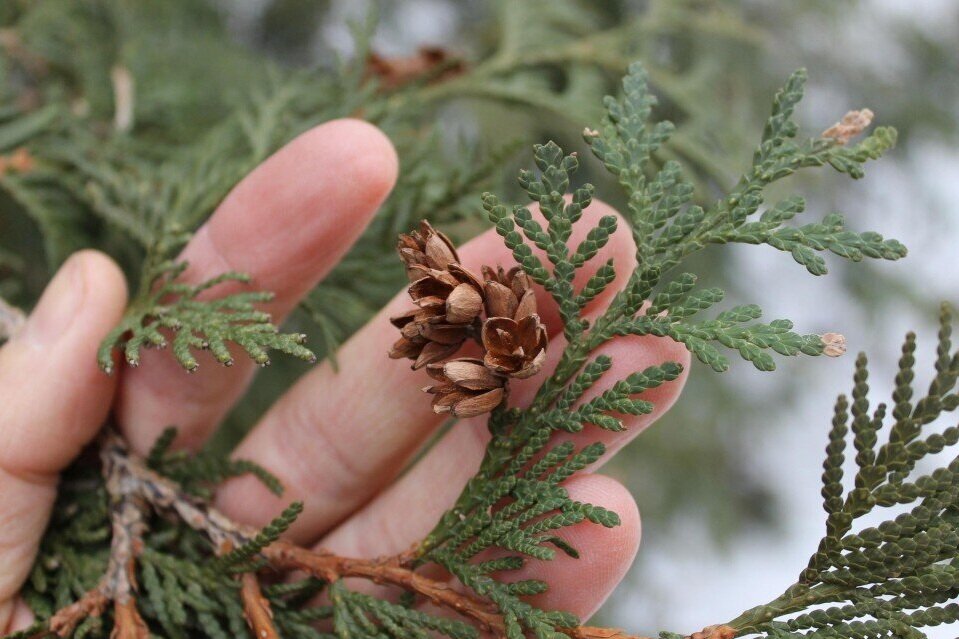
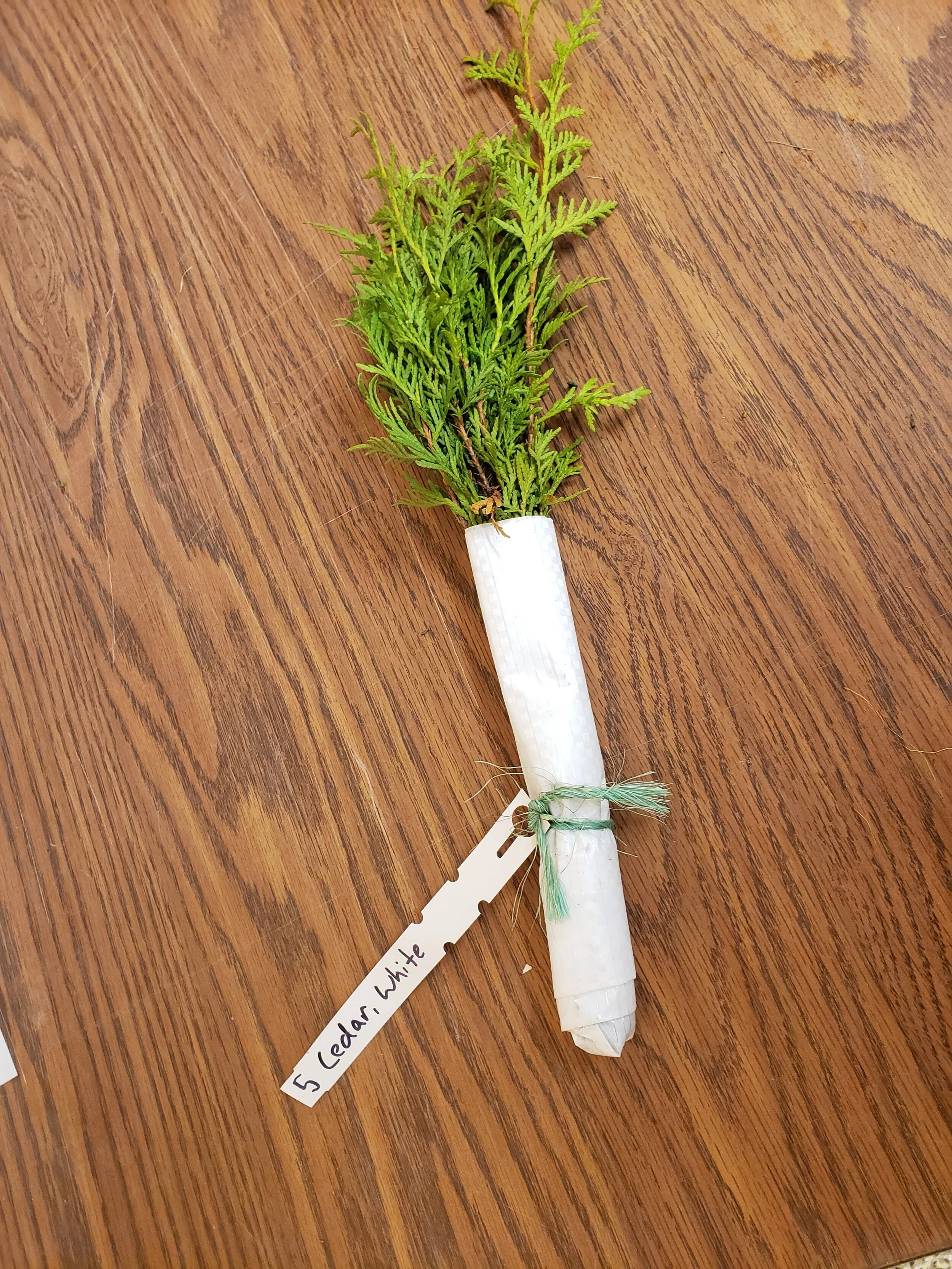
White Cedar
from $24.00
Size: 7-12”
Age class: 2-0
Bundle:
Quantity:
Northern white cedar (Thuja occidentalis) is a slow-growing, small- to medium-sized tree reaching heights of 25-60 ft. White cedar is shade tolerant; however, it grows best in full to partial sun. It prefers moist, well-drained organic soils and grows right down the the edges of lakes and rivers. It also grows well on dry, upland sites. Deer rely heavily on white cedar, which can pose a problem for establishing this species; tree tubes are recommended.
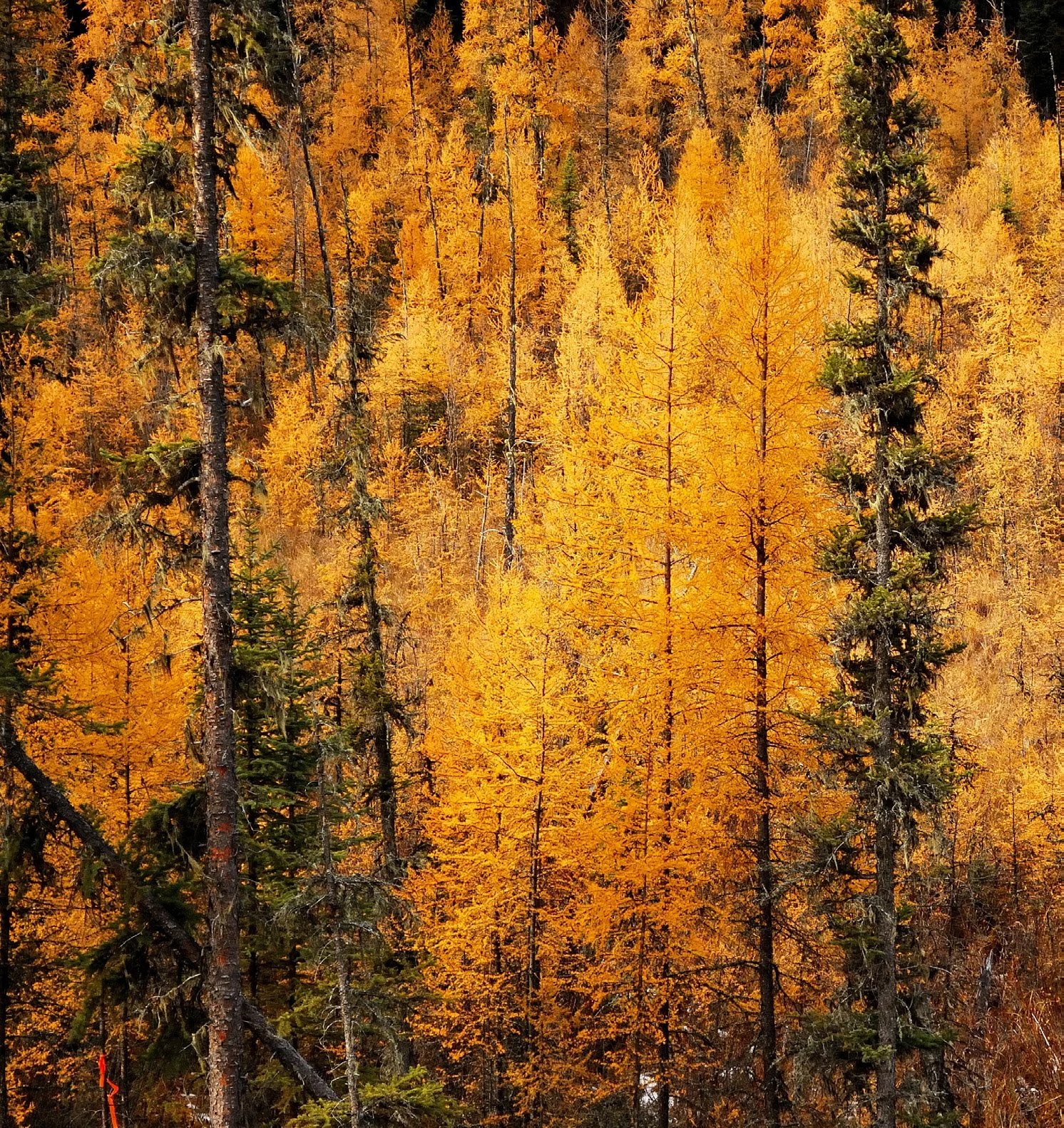
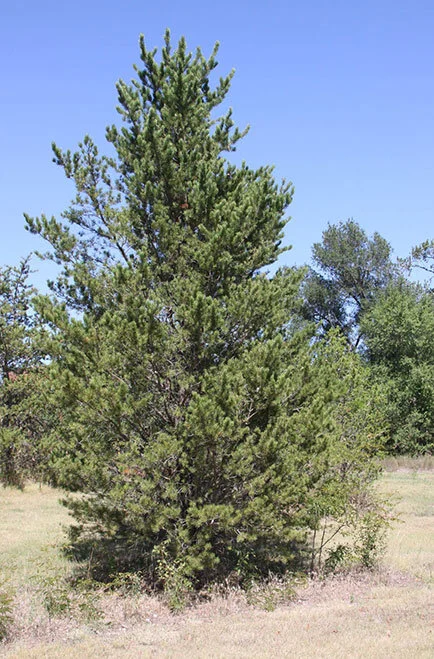
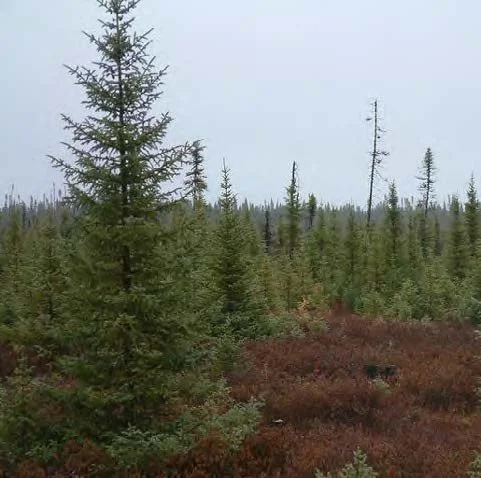
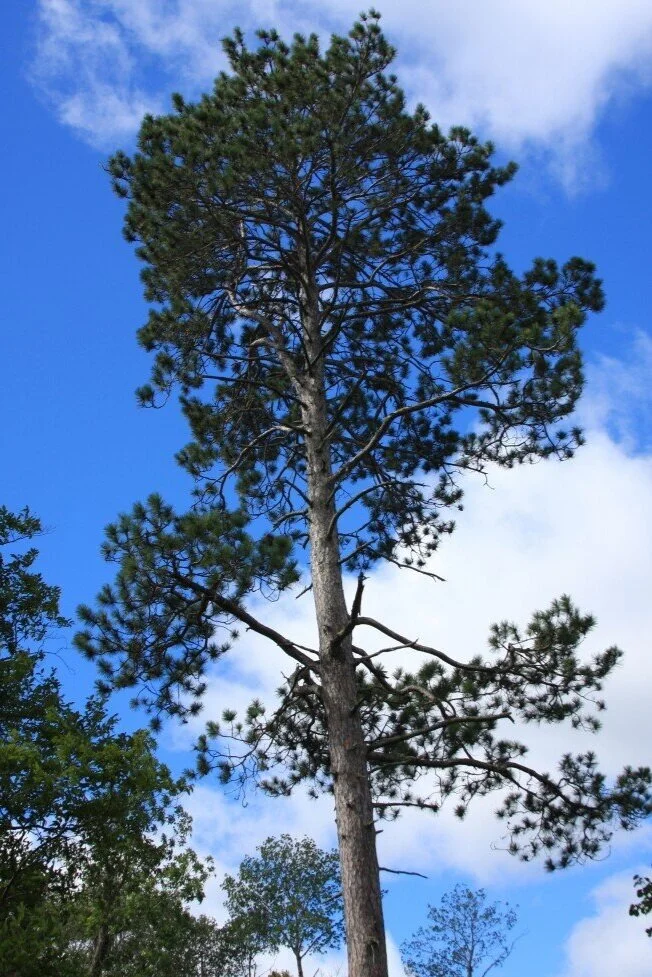
Photos: trees by Harvey Barrison, needles by Brandice Schnabel, seedlings by GTCD
BUNDLE BREAKDOWN:
Per-bundle pricing displayed below. Multiple-bundle pricing reflected in shopping cart.
Bundle of 5: $24
Bundle of 10: $34
Bundle of 25: $51
Bundle of 50: $85
Bundle of 100: $136
STATS ON WHITE CEDAR
Mature Height: 25 –60 feet
Mature Width: 10–15 feet
Soil Type: Neutral, Slightly Alkaline
Moisture: Dry, Moderate, Moist
Sun: Full Sun, Partial Shade, Shade
Growth Rate: Slow
KEY CHARACTERISTICS OF WHITE CEDAR
The bark is red-brown, furrowed and peels in narrow, longitudinal strips.
Cones are slender, yellow-green ripening brown, and are typically about 0.5" long.
Needles are fused together and look feathery or ferny.
Flood-tolerant, but sensitive to salt.
VISITORS ATTRACTED TO WHITE CEDAR
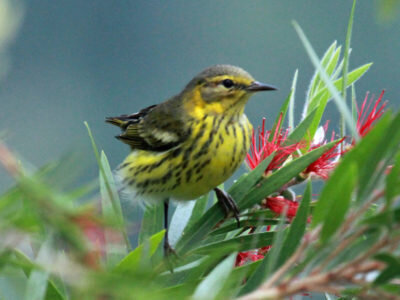
Cape May warbler (Setophaga tigrina), by DickDaniels
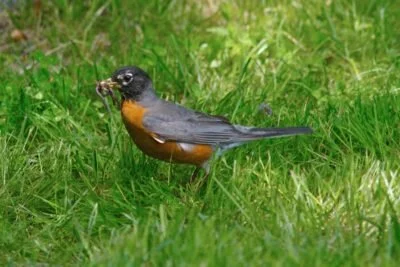
American robin (Turdus migratorius), by Ryan E. Poplin

House finch (Haemorhous mexicanus), by CheepShot