Gray Dogwood
Gray Dogwood
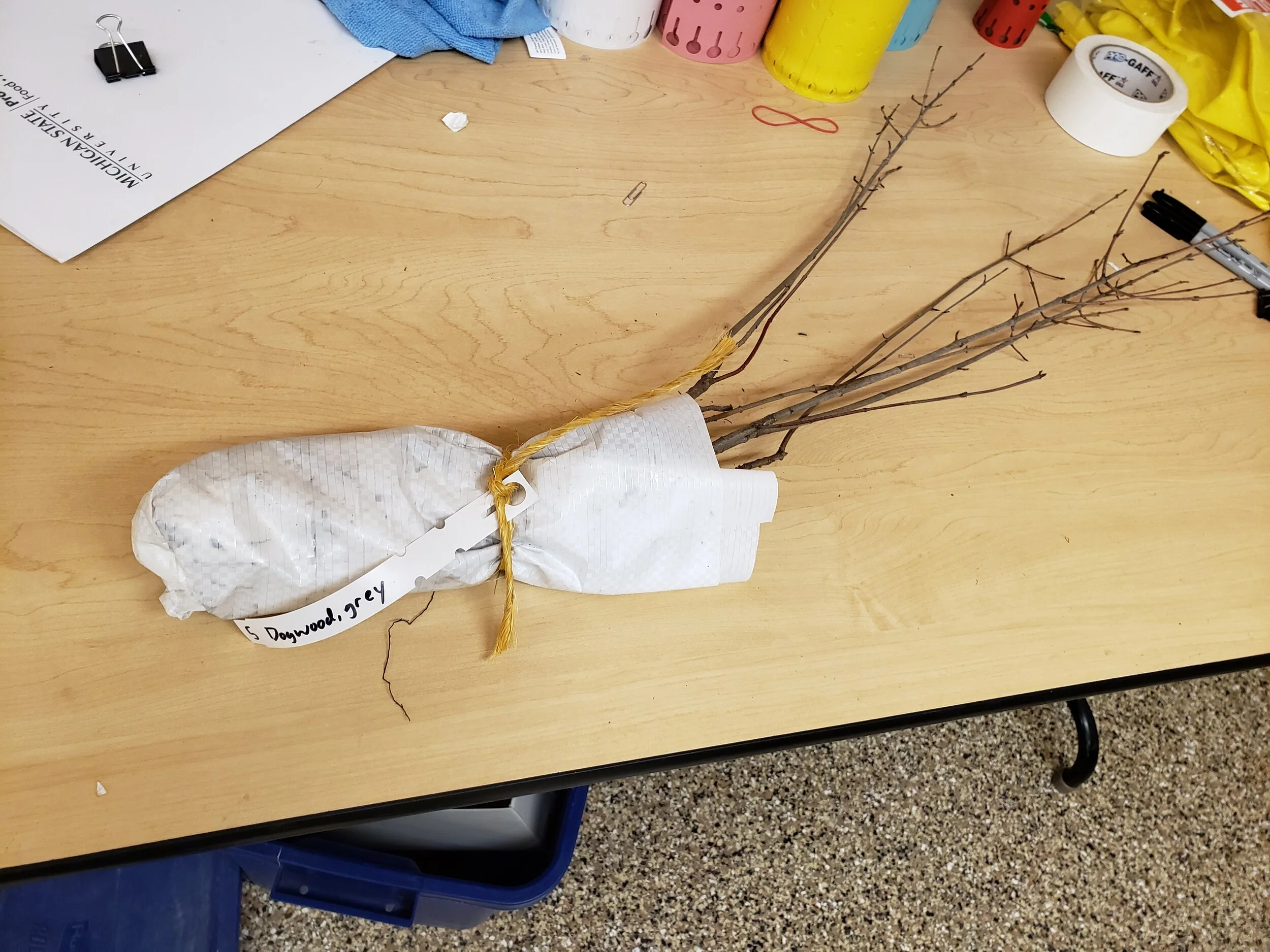
Size: 12 - 18”
Age class: 1-0
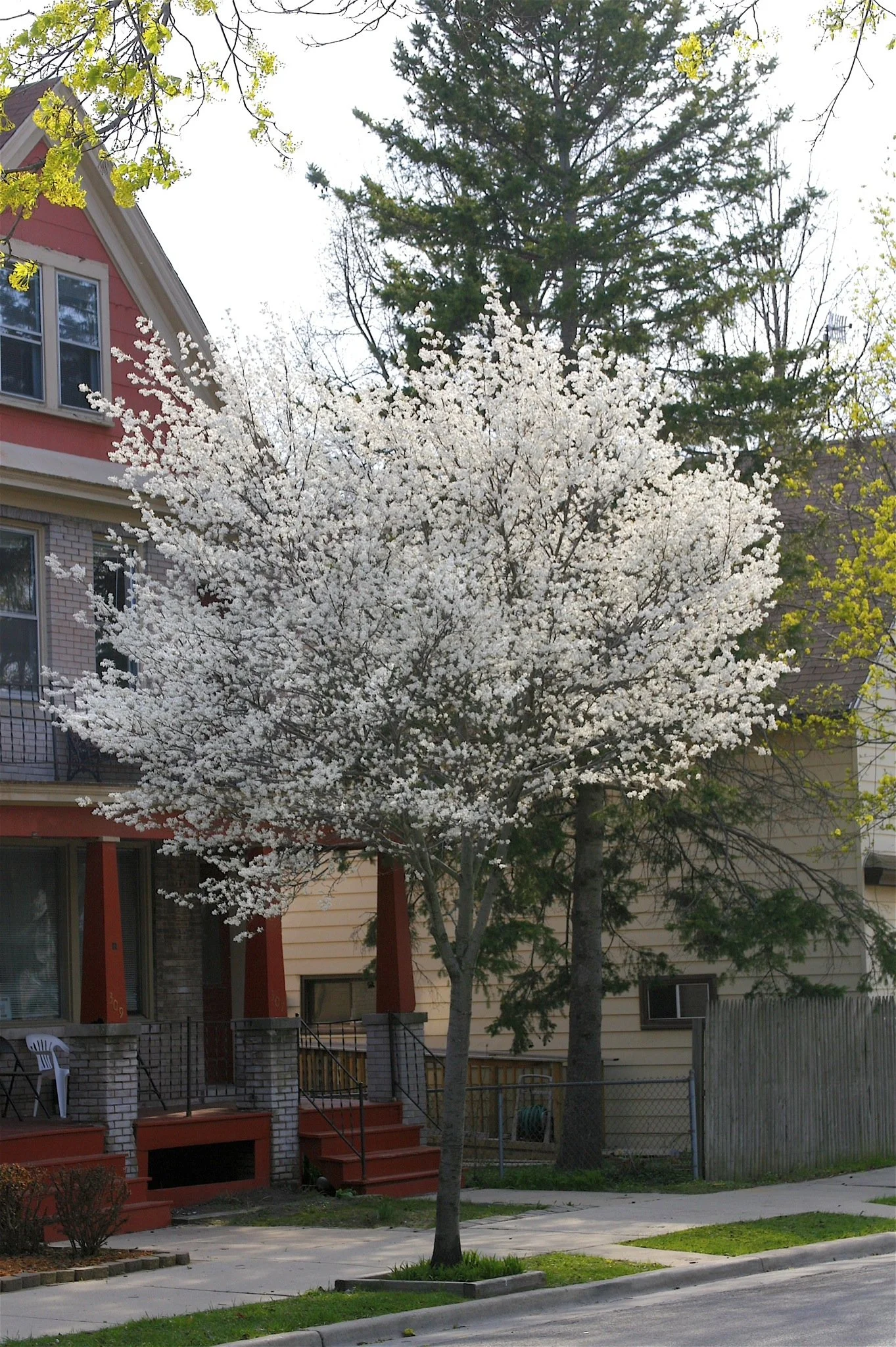
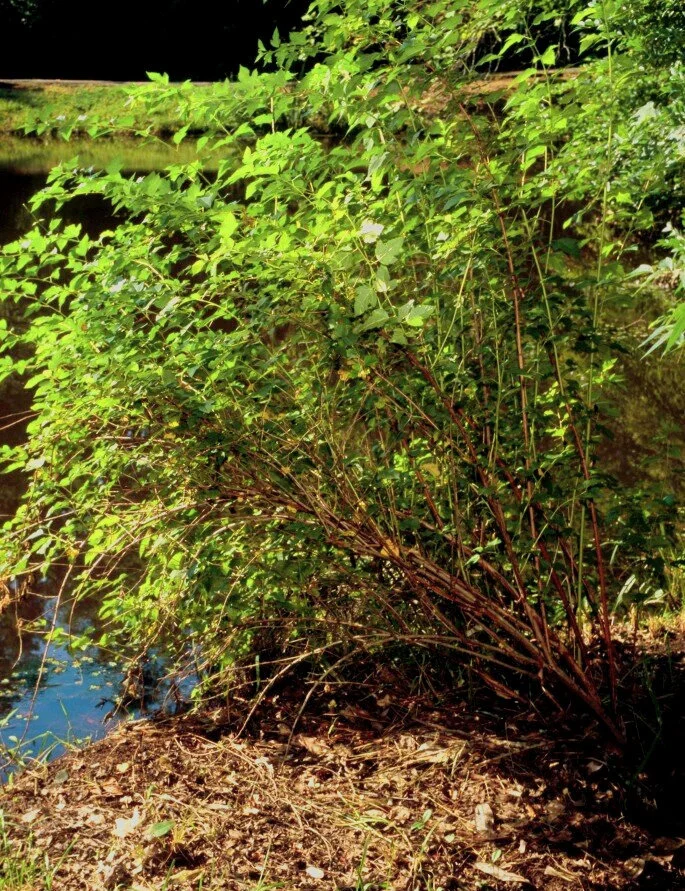
Gray dogwood (Cornus racemosa) is a multi-stemmed shrub reaching heights of 10 feet and widths of up to 9 feet. It is moderately shade tolerant, growing in full or partial sun. Grey dogwood is also a very versatile shrub, growing well even in poor soil conditions, and is drought-resistant. Although it can tolerate dry or moist sites and a broad range of soil types, it prefers well-drained soil. Gray dogwood forms a rounded profile and is sometimes used as hedges.
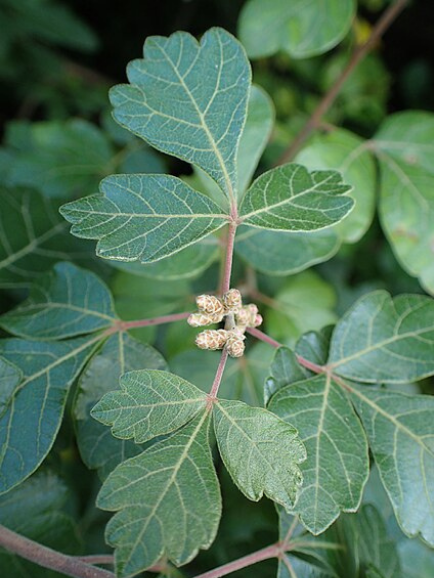
Photos: seedlings by GTCD
BUNDLE BREAKDOWN:
Per-bundle pricing displayed below. Multiple-bundle pricing reflected in shopping cart.
Bundle of 5: $17
Bundle of 10: $27
Bundle of 25: $51
Bundle of 50: $85
STATS ON GRAY DOGWOOD
Mature Height: 5–10 feet
Mature Width: 5–9 feet
Soil Type: Broad Range, Prefers Well-drained
Moisture: Dry, Moderate, Moist
Sun: Full Sun, Partial Shade
Growth Rate: Moderate
KEY CHARACTERISTICS OF GRAY DOGWOOD
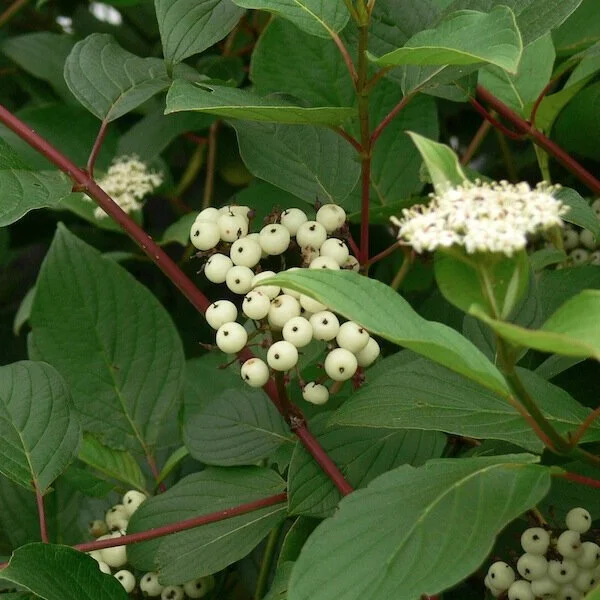
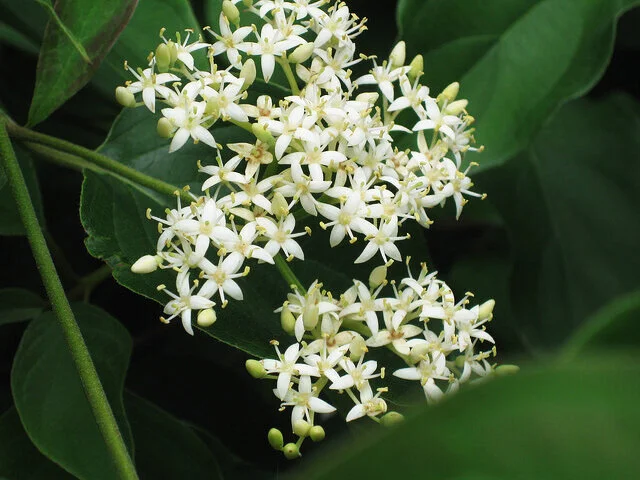
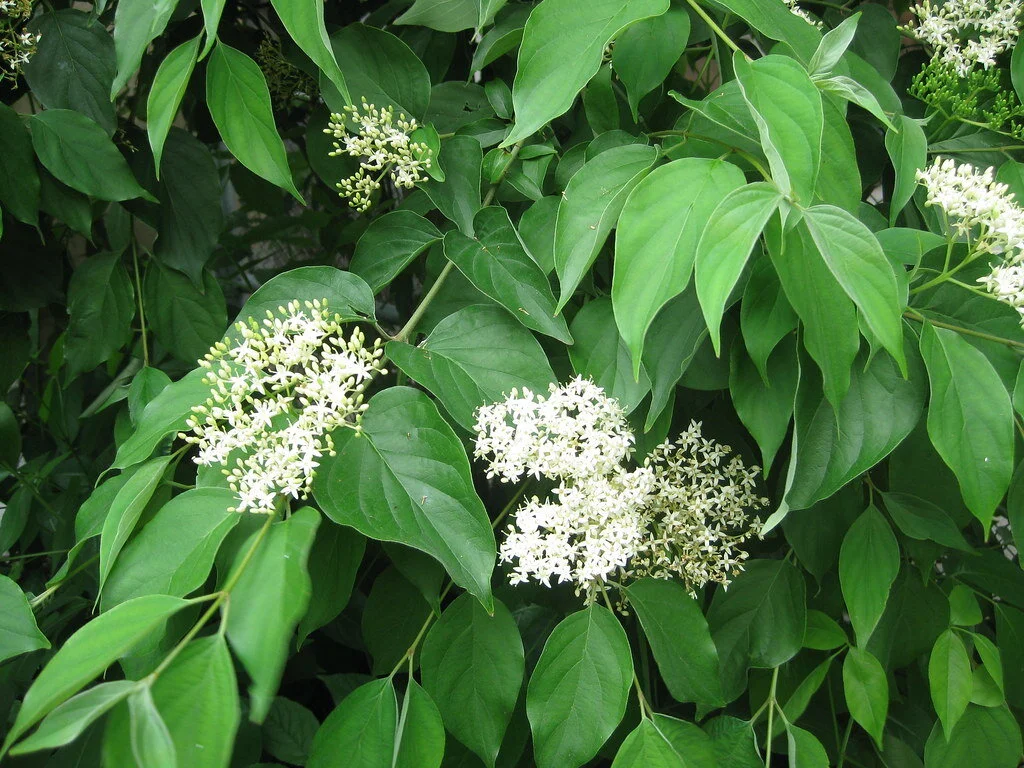
In the late spring, white flowers bloom at the tips of the branches.
Leaves are simple and alternately arranged on twigs.
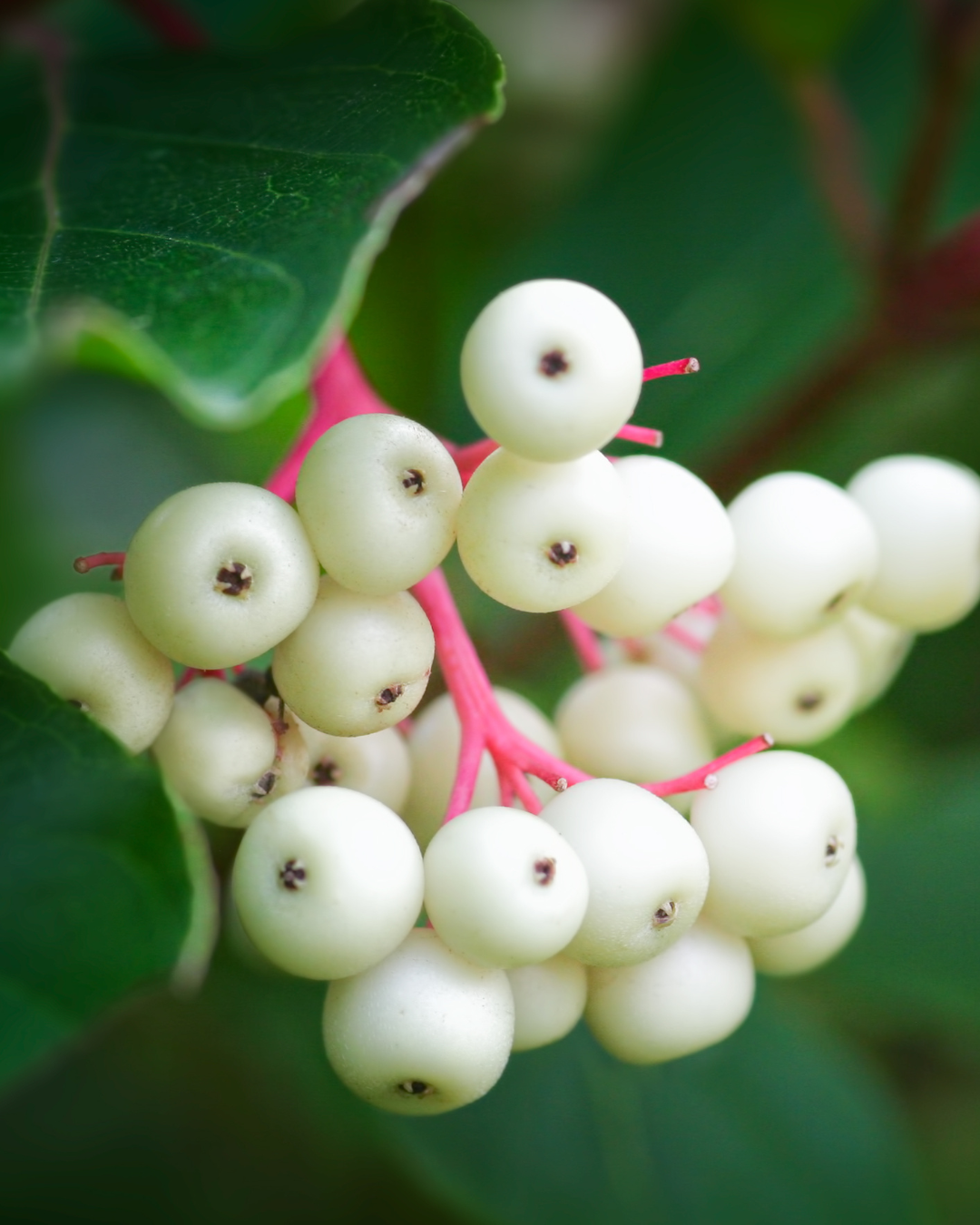
White berries are produced during the summer on bright red branches.
VISITORS ATTRACTED TO GRAY DOGWOOD
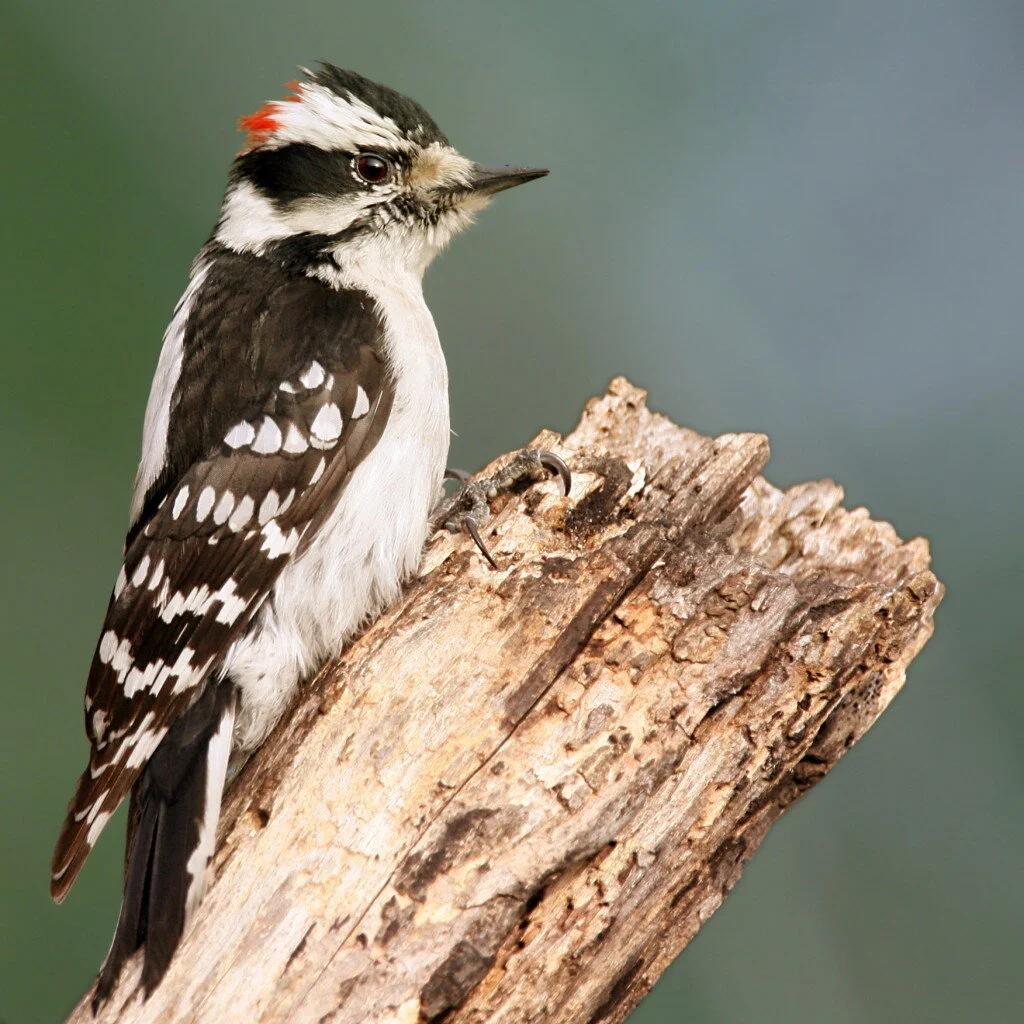
Downy woodpecker (Picoides pubescens), by Wolfgang Wander
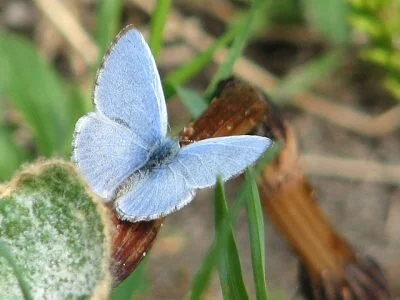
Spring azure (Celastrina ladon), by D. Gordon E. Robertson
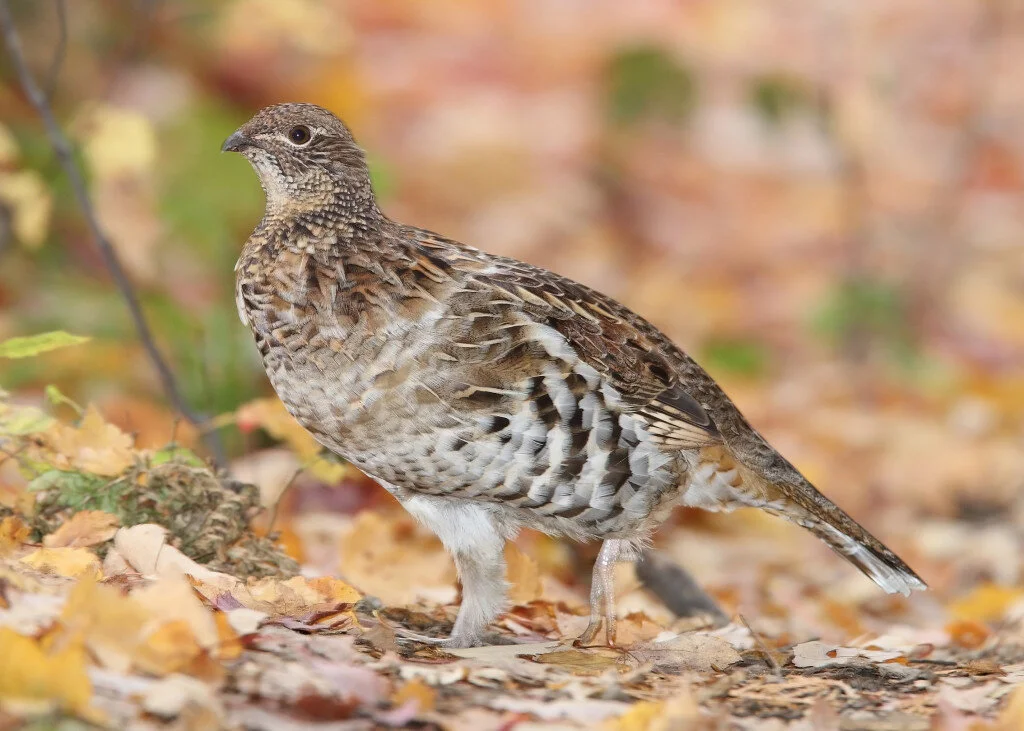
Ruffed grouse (Bonasa umbellus), by Mdf
HELP CONTROL INVASIVES!
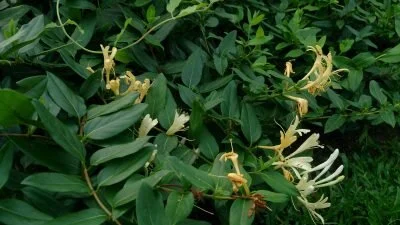
Japanese honeysuckle (Lonicera japonica), by Mokkie
Gray dogwood makes a great alternative to invasive honeysuckle species (Lonicera spp.), which replace native plants in high-quality natural areas, which in turn reduces critical food resources for birds, butterflies, and other wild creatures. Invasive Honeysuckles, in particular, affect native ecosystems by throwing off the balance. While their flowers do provide nectar to birds and pollinating insects and the berries are food for birds and small mammals, the foliage is unpalatable to most native insects. Songbirds especially rely on insects to feed for their young to survive the growing season.